Let’s cut to the chase—if you’re a contractor, construction project manager, or someone who’s ever dealt with temporary power on a job site, you know the headache: running and wiring traditional substations takes weeks, costs a fortune, and gets messy fast when site conditions change. As a prefabricated substation supplier who’s spent the last 8 years custom-building these units for all kinds of projects (from 10-story apartment builds to highway expansions), I get way too many questions: “Can your prefab units even work for temporary construction power?” The short answer? Hell yes—and it’s not just a band-aid. It’s a game-changer that’s saving crews time, cash, and a whole lot of stress on temporary power setups. Prefabricated Substation

First, let’s clarify what a prefabricated substation is, because I’ve had contractors mix them up with random portable generators (big mistake). Unlike generators, which run on fuel and only last as long as you’ve got gas, prefab substations are fully assembled, tested, code-compliant units we build in our warehouse before dropping them on-site. They come with everything you need: transformers, switchgear, circuit breakers, ventilation, even climate control for the electronics. For temporary power, that’s exactly what construction sites crave—no waiting for local utility crews to run a permanent line, no noisy fuel guzzlers that bug nearby residents, and zero risk of unplanned outages mid-pour or mid-demolition.
Wait, let’s talk about the pain points traditional temporary power has, because that’s where prefab units shine. I remember a big bridge project I worked on 5 years back. The contractor tried a temporary setup with a standard utility transformer they rented from a local supplier. They had to rent a crane to set it, hire a licensed electrician to wire it, and then deal with constant issues: overheating because it was exposed to rain and dust, tripping breakers every time the concrete pump kicked on, and a week-long delay when a storm knocked out a non-code-compliant connection. They ended up renting a backup generator, which added $12,000 to their monthly costs. Fast forward to 2022, another bridge crew we worked with used our 2MVA prefab substation for their temporary power. We showed up, dropped the unit on a pre-poured concrete pad (we even included the pad for an extra fee), tested it on-site in 2 hours, and they were good to go. No overheating, no wiring delays—they saved $18,000 in the first month alone and finished the power setup 10 days ahead of schedule. That’s the kind of result that makes contractors stop and ask, “Why didn’t I do this sooner?”
Now, let’s get into the technical stuff, because it’s not just hype—there’s science behind why prefab substations work so well for temporary construction power. First, load flexibility. Construction sites aren’t static. One day you’re running power for excavators, the next you’re shifting to interior framing tools, and halfway through the project you need to add temporary lighting for a night shift. Our prefab units are modular—most models can be configured to handle 500kVA up to 5MVA, so you don’t have to rent multiple units or upgrade mid-project. We also include smart switchgear that lets you ramp power up or down without shutting the whole unit down. No more fumbling with external breakers or calling an electrician every time your load changes.
Then there’s durability. Temporary sites are messy—dust, rain, heavy equipment rolling around, sometimes even snow. Traditional rented substations are usually basic, no protection from the elements. Our units are built with IP55 enclosures, which means they’re dust-tight and rain-resistant, perfect for outdoor sites. We also add grounding straps and surge protection to guard against power spikes from heavy machinery, which is a huge issue on construction sites. Last year, a crew working on a hospital addition had a crane accidentally hit a power line—their prefab substation absorbed the surge without tripping, so their 24/7 medical power for the construction lab never went out. That’s the kind of reliability you can’t get with a generator or a temporary transformer.
Wait, what about regulations? I get it—construction sites have to follow OSHA, NEC, and local utility codes, which are no joke. A lot of contractors think prefab units are too new or not code-approved, but here’s the thing: we build every unit to meet IEC, NEC, and OSHA standards, and we provide full documentation and testing reports right when we deliver it. No more jumping through hoops to get a temporary power setup inspected. Local utilities love these units too because they’re properly grounded and tested, so there’s no risk of backfeeding into the grid (that’s a big safety issue that got a lot of temporary power setups shut down a few years back).
But let’s be real—prefab substations aren’t for every temporary job. If you’re working on a tiny residential remodel that only needs 50kVA for a few weeks, a generator is still cheaper and easier. But for projects that last 3 months or more, or need 1MVA+ of power (think large commercial builds, highway projects, industrial sites), prefab is the way to go. Let’s run the numbers: a temporary rented transformer plus wiring, labor, and maintenance usually costs $15,000-$25,000 a month. Our prefab units—even with delivery, installation, and a 3-year warranty—usually come in at 20-30% less than that monthly, and you don’t have to deal with the headaches of constant repairs or upgrades. And when the project ends? We can pick the unit up and repurpose it for another project, so it’s not a wasted investment—unlike a rented transformer that you have to return, or a generator that depreciates hard.
I’ve seen so many contractors sleep on this because they think prefab substations are just for permanent installations. That’s a myth we’re working to bust every day. Last quarter, we had a renewable energy project that needed temporary power for a solar panel installation site. They tried a generator first, but it kept dying in the desert heat, and the noise was scaring off local wildlife. They switched to our 1.5MVA prefab unit, which is quiet (less than 65dB, so no noise complaints) and cooled for high temperatures. They finished the installation 2 weeks early and saved $22,000 in generator rental costs. That’s the kind of result that makes you go, “Why didn’t I make this switch sooner?”
Another thing no one talks about: site space. Construction sites are cramped—you don’t want a big generator or a temporary transformer taking up space you need for equipment or materials. Our prefab units are compact, usually 20-40 feet long, and we can fit them into tight spots that would be impossible for a traditional transformer setup. We also offer skid-mounted units that are easy to move with a forklift or small crane, so you can shift your power source around the site as you need it. No more re-wiring the whole site because you moved the transformer 50 feet.
Wait, let’s address the elephant in the room: upfront cost. A lot of contractors see the initial purchase price of a prefab substation and think, “That’s more than renting.” But let’s do the math over time. If you’re on a 6-month project, renting a temporary setup is $90,000-$150,000. Our prefab unit is $50,000-$70,000, and you can use it on future projects. So over 2 years of use, it’s way cheaper than renting every time, and you have an asset you can sell or repurpose. Plus, the downtime you save? On a $10 million construction project, a 10-day delay from a power outage costs you $250,000 in fines and lost productivity. That’s a risk you can eliminate with a prefab substation.
I’ve been in this industry long enough to know that a lot of temporary power solutions are built for short-term, small jobs. But construction is getting bigger, longer, and more complex. More crews are working on multi-million dollar projects that need reliable, flexible power that doesn’t add to their headaches. That’s exactly where prefab substations fit in. They’re not a one-size-fits-all solution, but for any temporary job that needs consistent, code-compliant, cost-effective power, they’re the best option out there.
At the end of the day, temporary power isn’t just about having electricity—it’s about keeping your project on schedule, staying under budget, and keeping your crew safe. If you’re tired of dealing with generator breakdowns, wiring delays, or constant inspections for your temporary construction power, it’s time to stop writing off prefab substations. They’re not just for permanent builds—they’re the best-kept secret in temporary power.
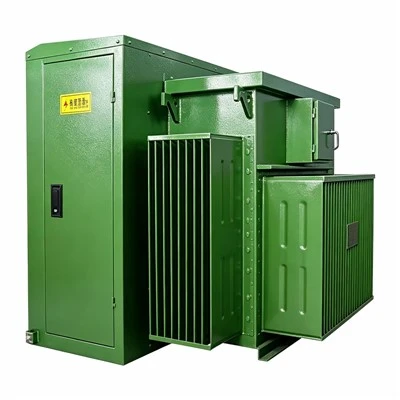
If you’re working on a project right now and want to see if a prefab substation makes sense for your temporary power needs, reach out to our team to chat through your requirements. We’ll walk you through load calculations, pricing, and even show you case studies from similar projects. No sales pitch, no jargon—just straight talk about what works for your site.
Oil-Immersed Transformer References:
- Occupational Safety and Health Administration (OSHA). (2021). Temporary Power Installation Standards for Construction Sites.
- International Electrotechnical Commission (IEC). (2020). IEC 62271-200: High-voltage switchgear and controlgear.
- National Electrical Contractors Association (NECA). (2022). Temporary Power Solutions for Large Construction Projects.
- Construction Industry Institute (CII). (2021). Cost-Benefit Analysis of Prefabricated Power Solutions for Temporary Construction Sites.
Shandong Xunchi Electric Co., Ltd.
Shandong Xunchi Electric Co., Ltd. is one of the most professional prefabricated substation manufacturers and suppliers in China, featured by quality products and low price. Welcome to wholesale advanced prefabricated substation made in China here and get quotation from our factory. Customized orders are welcome.
Address: No.1 East Campus of Dachi Company on the North Ring Road, Yongchang Street Office, Chengwu County, Heze City, Shandong Province, China
E-mail: sdxcdq@126.com
WebSite: https://www.china-xunchielectric.com/
