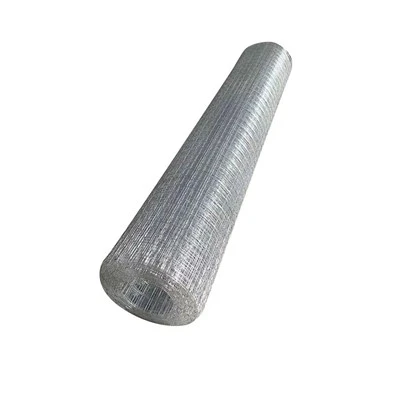
When it comes to using wire mesh cable trays, ensuring proper ventilation is super important. I’m a supplier of wire mesh cable trays, and I’ve seen firsthand how crucial good ventilation is for the performance and lifespan of cables. So, let’s dive into how you can make sure your wire mesh cable trays are well – ventilated. Wire Mesh Cable Tray
Why Ventilation Matters
First off, let’s talk about why ventilation is such a big deal. Cables generate heat when they’re in use. If that heat can’t escape, it can build up and cause all sorts of problems. High temperatures can reduce the efficiency of the cables, increase the risk of electrical malfunctions, and even shorten the life of the cables. This means more frequent replacements and higher costs in the long run.
With proper ventilation, the heat can dissipate, keeping the cables at a safe operating temperature. It also helps prevent the accumulation of moisture, which can lead to corrosion and damage to the cables and the cable trays themselves.
Choosing the Right Wire Mesh Design
The design of the wire mesh cable tray plays a huge role in ventilation. The open structure of wire mesh is already a plus compared to solid trays as it allows air to flow more freely. But there are different types of wire mesh designs, and some are better for ventilation than others.
- Mesh Size: A larger mesh size generally allows for better airflow. When the holes in the mesh are big enough, air can pass through more easily, carrying away heat. However, you also need to consider the size of the cables you’ll be placing in the tray. You don’t want the mesh size to be so large that the cables slip through.
- Wire Thickness: Thinner wires can create more open space in the mesh, which is great for ventilation. But they need to be strong enough to support the weight of the cables. It’s all about finding the right balance.
As a supplier, I always work with my customers to recommend the best wire mesh design based on their specific cable requirements and ventilation needs.
Installation Considerations
How you install the wire mesh cable trays also impacts ventilation. Here are some key installation tips.
- Spacing: Make sure there’s enough space between the cable trays. If the trays are too close together, it restricts the airflow around them. I usually suggest leaving at least a few inches of space between adjacent trays to allow air to circulate freely.
- Height: Mounting the cable trays at an appropriate height can improve ventilation. If they’re too close to the floor or ceiling, airflow can be blocked. Try to mount them at a height where there’s good air movement in the room. For example, in a data center, mounting the trays a few feet above the floor is often a good idea.
- Orientation: The way you orient the cable trays can also affect ventilation. Installing them in a way that aligns with the natural airflow in the room can enhance the ventilation. If there’s a dominant air – flow direction (like from an air vent), position the trays parallel to that direction.
Cable Management for Ventilation
Proper cable management is another important aspect of ensuring ventilation in wire mesh cable trays.
- Cable Bundling: Avoid over – bundling cables tightly. When cables are packed too closely together, it reduces the surface area exposed to the air, making it harder for heat to escape. Instead, space out the cables as much as possible within the tray. Use cable ties or clips sparingly and leave enough room for air to flow between the cables.
- Cable Routing: Plan the cable routing carefully. Don’t create unnecessary bends or congestion in the cables. A smooth and organized cable route allows for better airflow. Make sure there are no cable loops or piles that could obstruct the ventilation.
Regular Maintenance
Maintenance is key to keeping proper ventilation in wire mesh cable trays.
- Cleaning: Over time, dust, dirt, and debris can accumulate on the wire mesh, blocking the airflow. Regularly clean the cable trays using a brush or a low – pressure air compressor. This simple step can make a big difference in maintaining good ventilation.
- Inspection: Periodically inspect the cable trays for any signs of damage or deformation. Bent wires or sections of the mesh that are sagging can affect the ventilation. If you notice any issues, repair or replace the damaged parts as soon as possible.
Monitoring the Ventilation
It’s also a good idea to monitor the ventilation in your wire mesh cable trays. You can use temperature sensors to keep track of the cable temperature. If the temperature starts to rise above a safe level, it could be a sign that the ventilation is not working properly. You can then take corrective actions, such as adjusting the cable management or cleaning the trays.
In conclusion, ensuring proper ventilation when using wire mesh cable trays is a combination of choosing the right design, installing them correctly, managing the cables well, maintaining them regularly, and monitoring the ventilation. As a wire mesh cable tray supplier, I’m here to help you every step of the way. Whether you need advice on the best design for your application or help with installation and maintenance, I’m just a message away.
If you’re in the market for wire mesh cable trays and want to ensure proper ventilation for your cables, don’t hesitate to reach out. Let’s have a chat about your specific needs and how we can work together to get the best solution for you.
Wire Mesh References
- Electrical Installation Handbook: This handbook provides in – depth knowledge about cable management and ventilation requirements in electrical systems.
- Industry standards and guidelines from relevant organizations, which offer best practices for using wire mesh cable trays.
Hebei Shenyi Metal Products Co., Ltd.
Hebei Shenyi Metal Products Co., Ltd. is one of the most professional wire mesh cable tray manufacturers and suppliers in China, featured by quality products and good service. Please rest assured to wholesale durable wire mesh cable tray in stock here and get free sample from our factory. Customized orders are welcome.
Address: Gengtun Industrial Zone, Gengtun Village, Xiliangwa Township, Anping County, Hengshui City, Hebei Province
E-mail: HBshenyi@outlook.com
WebSite: https://www.shenyimetal.com/
