Compressed Natural Gas (CNG) has emerged as a cleaner and more economical alternative to traditional gasoline and diesel fuels, especially in the transportation sector. As a leading CNG refueling station equipment supplier, I am passionate about sharing how our sophisticated machinery makes the CNG refueling process efficient, safe, and reliable. CNG Refueling Station Equipment

1. Understanding the Basics of CNG
Before delving into the equipment, it’s crucial to understand CNG itself. Natural gas is primarily composed of methane, a simple hydrocarbon. When it’s compressed to less than 1% of its volume at standard atmospheric pressure, it becomes CNG. This high – density form of natural gas can be stored and transported more easily, and it serves as an ideal fuel for vehicles due to its lower emissions and cost – effectiveness.
2. The Core Components of a CNG Refueling Station
Gas Source and Inlet System
The starting point of the refueling process is the gas source. It can be a natural gas pipeline network or a high – pressure gas storage cylinder. The inlet system is designed to connect the gas source to the refueling station. A series of valves and filters are installed here. The valves control the flow of natural gas, while the filters remove impurities such as dust, rust, and sulfur compounds from the incoming gas. This is important because clean gas is essential for the proper operation of downstream equipment and for preventing engine damage in vehicles.
Compressor
The compressor is the heart of a CNG refueling station. Its main function is to increase the pressure of the natural gas from the inlet pressure (usually around 0.1 – 1 MPa) to a high pressure suitable for vehicle storage, typically between 20 – 25 MPa. There are different types of compressors used in CNG refueling stations, such as reciprocating compressors and screw compressors.
Reciprocating compressors work by using a piston – cylinder mechanism. The piston moves back and forth in the cylinder, creating a suction and compression cycle. As the piston moves down, it creates a low – pressure area that allows natural gas to enter the cylinder. When the piston moves up, it compresses the gas to a higher pressure. These compressors are known for their high efficiency at high – pressure ratios and are widely used in large – scale CNG refueling stations.
Screw compressors, on the other hand, use two intermeshing screws to compress the gas. As the screws rotate, the volume of the gas between them decreases, resulting in an increase in pressure. Screw compressors are more suitable for continuous operation and are often used in medium – sized refueling stations due to their relatively simple structure and low maintenance requirements.
Gas Storage System
After compression, the high – pressure CNG needs to be stored before it is dispensed to vehicles. The gas storage system usually consists of high – pressure gas storage cylinders or tube trailers. These storage facilities act as buffers, ensuring a stable supply of CNG during peak refueling hours. They are designed and built to strict safety standards, with features such as pressure relief valves and safety gauges to prevent over – pressurization.
Dispenser
The dispenser is the interface between the refueling station and the vehicle. It is responsible for accurately measuring and controlling the amount of CNG dispensed to the vehicle’s fuel tank. The dispenser is equipped with a flow meter, which measures the volume or mass of the CNG flowing through it, and a control valve, which regulates the flow rate. Modern dispensers also have features such as touch – screen displays, which allow customers to select the amount of fuel they want to purchase and provide them with information about the refueling process, such as the price per unit of CNG and the total cost of the refueling.
3. The Refueling Process in Detail
Pre – Refueling Checks
Before starting the refueling process, a series of pre – refueling checks are carried out. The operator checks the vehicle’s fuel tank for any signs of damage or leaks. The connection between the dispenser hose and the vehicle’s fuel inlet is also inspected. At the same time, the dispenser and other equipment are examined to ensure they are in normal working condition.
Initiating the Refueling
Once the pre – refueling checks are completed, the operator inserts the dispenser nozzle into the vehicle’s CNG inlet. The dispenser then establishes a connection with the vehicle’s on – board computer system (if available) to communicate information such as the vehicle’s fuel tank capacity and pressure. The dispenser control system then calculates the appropriate flow rate and pressure for refueling based on this information.
Refueling Operation
The high – pressure CNG stored in the storage system is then released through the dispenser. The flow meter accurately measures the amount of CNG being transferred to the vehicle’s tank. As the refueling progresses, the dispenser continuously monitors the pressure in the vehicle’s tank. When the tank reaches its maximum allowable pressure or the customer – specified amount of fuel has been dispensed, the control valve in the dispenser automatically shuts off the flow of CNG.
Post – Refueling Procedures
After refueling is completed, the operator carefully removes the dispenser nozzle from the vehicle’s inlet. Any residual gas in the hose is safely vented, and the connection point is checked again to ensure there are no leaks. The customer is then provided with a receipt indicating the amount of CNG purchased and the total cost.
4. Safety Features in CNG Refueling Station Equipment
Safety is of utmost importance in CNG refueling stations. Our equipment is designed with multiple safety features to prevent accidents.
Over – pressure Protection
All key components, such as the compressor, storage cylinders, and dispensers, are equipped with over – pressure protection devices. Pressure relief valves are installed to automatically release pressure when it exceeds a safe limit. This ensures that the equipment does not suffer from over – pressurization, which could lead to explosions or other serious accidents.
Leak Detection
Advanced leak detection systems are installed throughout the refueling station. These systems use sensors to detect the presence of natural gas in the air. If a leak is detected, the system triggers an alarm immediately, and the relevant valves are automatically shut off to prevent the spread of gas.
Fire and Explosion Prevention
CNG is a flammable gas, so fire and explosion prevention measures are essential. The refueling station is designed with proper ventilation systems to prevent the accumulation of gas in the air. Electrical equipment in the station is designed to be explosion – proof to avoid the risk of ignition from electrical sparks.
5. Maintenance and Quality Assurance
Regular maintenance is crucial for ensuring the long – term reliable operation of CNG refueling station equipment. We provide comprehensive maintenance services, including routine inspections, component replacements, and system calibrations. Our team of experienced technicians is trained to follow strict maintenance procedures to ensure that all equipment meets the highest safety and performance standards.
In addition to maintenance, we also have a rigorous quality assurance system in place. All our equipment is manufactured in accordance with international standards and undergoes strict quality control tests before leaving the factory. This ensures that our customers receive high – quality, reliable equipment that can provide long – term service.
6. Why Choose Our CNG Refueling Station Equipment
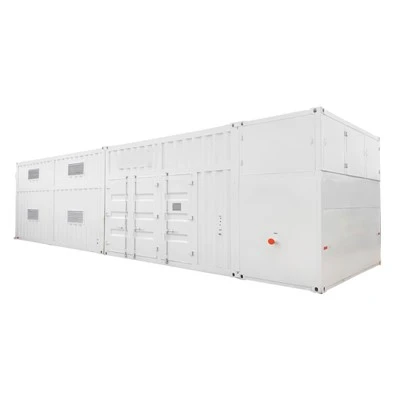
As a professional CNG refueling station equipment supplier, we have several advantages. Firstly, our equipment is designed with the latest technology, which ensures high efficiency, low energy consumption, and stable operation. Secondly, we offer customized solutions to meet the specific needs of different customers. Whether it’s a small – scale refueling station for a local community or a large – scale commercial station, we can provide the most suitable equipment configuration. Thirdly, our after – sales service team is always ready to provide timely support and assistance. We understand that any downtime of the refueling station can cause inconvenience to customers, so we strive to minimize the repair time and ensure the continuous operation of the station.
Key Components If you are interested in our CNG refueling station equipment, we welcome you to contact us for a detailed consultation. Our team of experts will be happy to discuss your specific requirements and provide you with a comprehensive solution. Investing in high – quality CNG refueling station equipment is not only a choice for environmental protection but also a smart investment for long – term economic benefits.
References
- National Fire Protection Association. NFPA 52: Compressed Natural Gas (CNG) Vehicular Fuel Systems Code.
- ISO 15869: Road vehicles — Compressed natural gas (CNG) fuel systems.
- Society of Automotive Engineers. SAE J2600: Compressed Natural Gas (CNG) Refueling Interface for Light Duty Vehicles.
Chengdu Hi-tech Panda Energy Technology Co., Ltd.
With abundant experience, we are one of the most professional CNG refueling station equipment manufacturers in China. Please feel free to buy high quality CNG refueling station equipment for sale here from our factory. Also, customized service is available.
Address: No.1604, 16th Floor, Unit 2, Building 1, No.1700, North Section of Tianfu Avenue, Chengdu High-tech Zone, China (Sichuan) Pilot Free Trade Zone
E-mail: Haikepanda-sos@aliyun.com
WebSite: https://www.haike-energe.com/
