If you’re in the construction, utility, or foundation game, you’ve probably heard of an auger crane—those workhorses that blend the lifting power of a crane with the boring capability of a helical auger. But here’s the thing: even the best auger crane is useless if you’re running it in the wrong ground. As an auger crane supplier, I’ve seen way too many crews waste time, money, and gear by assuming these machines work everywhere. Let’s break down exactly what soil conditions make an auger crane not just a good fit, but a game-changer. Auger Crane
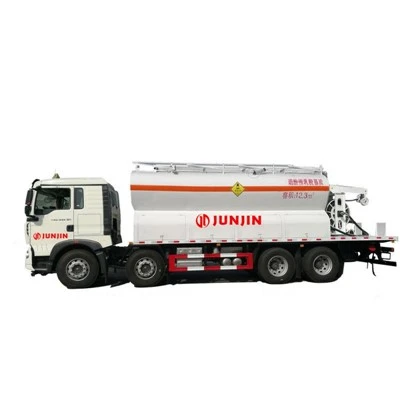
First, let’s get clear on what we’re actually working with here. An auger crane (sometimes called a drill crane or helical pile crane) has a rotating auger attached to its boom, instead of a standard hook. That auger bores deep holes or twists helical piles into the ground, then the crane lifts heavy materials like utility poles, foundation pads, or fence posts right after. So its whole design hinges on how the auger interacts with the soil—no two ground types behave the same, and that directly dictates whether the crane will run smooth, stall out, or even tip over.
Let’s start with the sweet spot: granular soils. That’s sand and gravel, mostly. Wait, before you zone out, let’s talk about why this is where auger cranes thrive. Granular soils don’t stick together—they’re loose, gritty, and have excellent drainage. When you twist an auger into sand, the blades cut through the particles easily, and the soil falls back into the hole without clogging the auger flights. I’ve had a customer install 120 helical piles for a solar farm in central Florida’s sandy loam last year, and his crew finished three days ahead of schedule. Why? The auger didn’t get bogged down; they could bore a 10-foot hole in 45 seconds flat, and then switch right to lifting the 500-pound solar panel mounts.
But wait, not all granular soil is equal. Coarse sand (1mm+ particles) is perfect, but fine sand (like beach sand) can be a pain if it’s too loose. When you bore into loose fine sand, the hole walls collapse faster than you can drill. You might need a temporary casing to line the hole, which adds time and cost—so even though it’s granular, it’s a less ideal fit. Clean gravel? Total home run. The auger’s blades bite into the gravel, and you don’t have to worry about collapse as much because the larger particles interlock to hold the hole shape. I always tell new buyers: if your site is 60% or more sand/gravel, an auger crane is your go-to.
Next up: cohesive soils, specifically silty clay and lean clay. This is where a lot of people get confused—they think clay is too sticky for augers, but that’s only heavy, wet clay. Lean clay (low plasticity, meaning it doesn’t stretch or clump up like modeling clay) is actually great for auger cranes. Let’s define this: lean clay has a low silt and clay content, so it’s firm, not sticky. When you twist an auger into lean clay, the soil forms a solid plug that rides up the auger’s flights, then breaks off clean at the surface. No clogging, no messy cleanup. A crew I work with did a residential foundation project in southern Ohio last year, and the soil was lean clay. They used a 24-inch auger to bore 8-foot holes for foundation piers, and they didn’t have to clear the auger once every 10 holes. That saved them at least two hours a day—huge for tight project timelines.
But here’s the catch with cohesive soils: moisture content is everything. If your clay is saturated (think post-rain soil, or areas with high groundwater), that’s a no-go. Wet clay turns into a paste that sticks to every inch of the auger, clogging the flights so bad you can barely rotate the machine. I’ve seen auger cranes stall mid-drill in wet clay, and it took two guys with shovels 20 minutes to clear the gunk off the blade. Worse, saturated clay has low bearing capacity, so if you’re lifting heavy loads, the crane might sink into the ground—another big problem. If your site is clay, wait for it to dry out a bit (test it: squeeze a clump in your fist, if it doesn’t stick to your hand and crumbles when you tap it, you’re good to go).
Now, let’s talk about what soil conditions are bad news for auger cranes. No machine is perfect, and there are a few ground types that make auger cranes more trouble than they’re worth. First, heavy, expansive clay—you know, the stuff that swells when it’s wet and cracks when it dries. Expansive clay has high plasticity, so it clogs augers like crazy. I had a customer try to use an auger crane for a retaining wall project in Texas black clay (that’s classic expansive clay) last year, and he quit after two days. The auger would clog every 3 holes, and he had to use a jackhammer to break the clay plug loose. Total waste of time. Expansive clay also shifts a lot, so helical piles won’t seat properly—you’ll end up with loose piles that sink over time.
Second, hard rock or dense till. If your site has bedrock within 10 feet of the surface, an auger crane isn’t going to cut it. The auger is designed for soil, not rock—twisting a steel auger into granite will bend or break the flights, and the crane won’t have the torque to penetrate. Even dense till (a mix of clay, sand, and gravel that’s compacted like concrete) is too hard for a standard auger. I’ve sold a few auger cranes to construction companies thinking they can use them for rock sites, and every single one came back within a week complaining about damaged parts. Save the auger crane for soil—if you’ve got rock, you need a rock drill instead.
Third, loose fill soil. Wait, fill soil is often a mix of old debris, dirt, and rocks, right? If the fill is uncompacted (like a recent grading job), the hole walls will collapse the second you pull the auger out. That means you can’t insert helical piles or pour concrete footings without a casing, which adds cost and time. Even if the fill has some rocks, if they’re small (less than 6 inches), that’s fine, but large boulders? Same problem as rock—they’ll clog or break the auger. I always tell buyers to test the fill soil with a test hole first: dig a 3-foot hole by hand, if it collapses within an hour, loose fill is a no-go for auger cranes.
Now, let’s get real about edge cases. What about soil that’s a mix—like sand with some clay, or gravel with silt? That’s actually where auger cranes shine, if you know how to adjust the machine. Let’s say your site is sandy loam (the most common soil type, by the way—mix of sand, silt, and clay). Sandy loam is firm enough that hole walls don’t collapse, and the auger doesn’t clog because the clay content is low. I had a utility company install 50 telephone poles in sandy loam outside Atlanta last year, and they used a slightly wider auger blade (we adjusted the machine’s rotation speed) to keep the soil from falling into the hole. That worked perfectly—they finished in one day, and didn’t have to deal with any collapse.
Another edge case: low-bearing capacity soil, like peat or muck. Wait, peat is organic, spongy, and has almost no bearing strength. Can you use an auger crane here? Only if you’re installing helical piles, not boring holes for concrete. Helical piles have wide flanges that grip into the surrounding soil, so even in soft peat, they won’t sink. But if you’re boring a hole and setting a pole directly, the soil is too soft— the hole will collapse, and the pole will lean. I’ve had a customer use our auger crane for a boardwalk project in northern Minnesota, where the soil was peat 4 feet deep. They installed helical piles instead of concrete footings, and it worked like a charm.
Now, let’s talk about why this matters for you, the operator or project manager. I know you’re focused on deadlines and budgets—you can’t afford to rent or buy a machine that’s wrong for the site. As an auger crane supplier, I don’t just sell machines; I tell customers which ones will work for their specific soil. Last quarter, a customer asked for a 50-ton auger crane for a site in western Pennsylvania. I looked at his soil report (silty clay, fine sand) and recommended a 40-ton model with a variable rotation speed. He took my advice, and when he finished, he texted me: “Saved $12k on fuel and repairs. That’s why I listen to you.” That’s the stuff that matters—matching the machine to the soil, not just the specs on a sheet.
Wait, let’s clear up a common myth: some people think auger cranes only work for small projects. No—we’ve sold 80-ton auger cranes for highway projects, where they bore holes for guardrail posts and lift heavy barrier sections. The soil was sandy loam, and they ran the machine 12 hours a day with zero issues. The key is still the soil condition—sandy loam is perfect for that, because the auger doesn’t clog, and the hole walls stay intact.
Another myth: auger cranes can handle any depth. No—depth is tied to soil type too. If you’re boring 20 feet into sand, that’s fine, but 20 feet into clay? If it’s wet, you’re going to have collapse. If it’s lean clay, you can do it, but you might need a casing. I always recommend testing soil at the depth you’ll be drilling, not just the surface. A site that’s sand at the surface but turns to saturated clay at 10 feet? That’s a problem—you’ll have to switch to a different machine.
Now, let’s wrap this up with what you should do next. If you’re planning a project and wondering if an auger crane is right for your soil, don’t guess—test it. Do a test hole at your site, note the soil type (sand, clay, loam), moisture content, and any rock or boulders. If it’s granular soil (sand/gravel) or lean cohesive soil (dry clay), you’re in the sweet spot. If it’s heavy expansive clay, hard rock, or loose uncompacted fill, you might want to look at other options, but even then, we can work with you to adjust the machine.
At the end of the day, an auger crane is only as good as the soil it’s working in. Too many people skip the soil check and end up with a machine that’s a paperweight. As an auger crane supplier, I’m here to make sure you don’t make that mistake. Whether you need a small 20-ton model for a residential fence project or a big 80-ton machine for a solar farm, we can help you pick the right one for your soil conditions.

If you’re ready to talk through your project, ask about our machine specs, or need help interpreting your soil test results, reach out. We’ll walk through every detail so you know exactly what to expect, no hidden costs, no empty promises. Don’t waste another day stressing about whether your crane will work—let’s make it right for your site.
Truck Mounted Crane References
- ASTM D6913 / D6913M, Standard Test Methods for Particle-Size Distribution (Gradation) of Soils Using Sieve Analysis
- Federal Highway Administration (FHWA), "Helical Pile Design and Installation for Foundation Applications," 2021
- USDA Natural Resources Conservation Service, "Soil Properties and Site Assessment for Construction," 2019
- International Association of Foundation Drilling (IAFD), "Best Practices for Auger Crane Operation in Various Soil Types," 2022
- American Society of Civil Engineers (ASCE), "Soil Mechanics and Foundation Engineering Handbook," 7th Edition, 2020
Yantai Quanrui International Trading Co., Ltd.
As one of the most reliable auger crane manufacturers and suppliers in China, we’re featured by high quality customized products. Please rest assured to buy discount auger crane made in China here from our factory. Contact us for pricelist and quotation.
Address: No. 278, Sanya Road, Gaotuan Town, Fushan District, Yantai City, Shandong Province, China
E-mail: Info@quanjin1588.com
WebSite: https://www.qr1588.com/
