Hey there, fellow car lovers and maybe even the accidental car cover fabric owners—let’s talk about something I bet you’ve slept on: keeping your car cover’s fabric clean. For context, I’ve been in the car cover fabric game for over a decade now—seen every weird stain, every “wait, that’s on my cover?!” panic, every person who tried wiping it with a paper towel and called it good. Spoiler: that’s not how this works, and no, a washing machine on “quick cycle” won’t destroy your cover (well, not if you do it right). Let’s break this down like we’re grabbing a coffee at the shop, no fancy jargon, just real talk that works. Car Cover Fabric

First off—let’s get one thing straight. Not all car cover fabric is the same, right? I sell everything from lightweight UV-protective polypropylene for people who park their cars outdoors 24/7 to heavy-duty polyester-cotton blends for those who leave their vintage Corvette in the driveway through rain, snow, and random bird droppings. Cleaning them isn’t a one-size-fits-all situation. If you grab the same cleaner for a polypropylene cover that you do for a stretchy, custom-fit outdoor cover? You might be looking at fading, stretched fabric, or worse—water spots that never go away. I’ve had so many customers email me panicking because their new cover went from deep blue to a sad, pale blue after the first wash, and 9 times out of 10? They used regular laundry detergent with bleach. Oops.
Let’s start with the basics: when do you even need to clean your car cover? The obvious stuff—bird poop, sap, dirt caked on after a mud storm. But if you see a faint gray haze, or it doesn’t “feel” right when you run your hand over it (like it’s not as soft or smooth as when you first bought it), that’s your sign. I tell all my clients: don’t wait until it’s gross enough that you’re embarrassed to pull it off your car. Small stains are way easier to get out before they set in.
Now, let’s split this into two categories: hand-washing (the safest way, trust me) and machine-washing (only if you’re confident in your steps). Let’s do hand-washing first, because this is what I recommend 90% of the time. You don’t need a fancy laundromat, just your driveway, a bucket, a hose, and some gentle stuff. Skip the harsh chemicals. Skip the bleach. Skip that “all-purpose cleaner” you use on your kitchen counter—no. What do you need instead? Mild laundry detergent (the kind for sensitive skin works great, no fragrances or dyes), a soft-bristle brush (like a clean dish brush, not the stiff one for scrubbing burnt pans), and cold water.
Here’s the step-by-step that works: First, take the cover off your car and shake it out. A lot. Like, really shake it—get all the loose dirt, leaves, and bugs off before you even touch it with water. If you skip this part, you’re basically sanding your fabric, and that’s how fabric starts to wear thin. Next, fill your bucket with cold water—hot water is a bad idea here, it can set stains and damage the UV coating on a lot of my outdoor fabrics. Add a tiny amount of detergent—like, a teaspoon max. You don’t want suds everywhere, that’s hard to rinse out. Mix it up until it’s a little bubbly, not a lather.
Now, if you have a specific stain—like bird poop or tree sap—treat that first. For bird poop: get a little bit of the detergent mix on your soft brush, dab (don’t scrub!) the stain, let it sit for 2 minutes, then dab some more. Scrubbing here will rub the poop into the fabric and make it way worse. For sap: if you have a little rubbing alcohol (isopropyl, not the kind for cuts, though that works too), dab that on the stain first before the detergent—alcohol breaks down sap super well, and it won’t hurt the fabric if you do it lightly. I’ve seen people use nail polish remover here, but a lot of those have acetone, which can dissolve some of the synthetic fabrics. Stick to rubbing alcohol if you go that route.
Once the stains are pre-treated, it’s time to wash the whole cover. Submerge it in the bucket, gently swish it around, then let it soak for 15-20 minutes. Don’t let it sit longer than that—especially if it’s been stained. After soaking, take your soft brush (again, no stiff ones) and gently go over the fabric in the same direction as the weave. If you go against the weave, you’re gonna cause pilling, and that’s the tiny little balls of fabric that make your cover look old way faster. Then, rinse it thoroughly with cold water—use a hose, go slow, make sure every last bit of detergent is out. If you leave detergent in, it’ll attract dirt next time, and that’s how the haze comes back.
Now, machine-washing. Only do this if your cover’s tag says it’s machine-washable (I put care tags on every single one of my car cover fabrics, fyi). Even then, be careful. First, take everything off the cover—straps, hooks, any plastic bits. Those can break in the washer, and also damage other covers if you wash multiple. Next, flip the cover inside out. That’s super important—washing it inside out protects the outer layer’s UV coating and prevents fading. Then, put it on a delicate cycle, cold water, mild detergent, no fabric softener. Wait—fabric softener? Don’t do it. It coats the fabric fibers, which makes them less breathable, and that’s a big deal if you use an indoor cover (you don’t want moisture trapped between the cover and your car) or even outdoor. Once it’s done, take it out right away—don’t leave it sitting in the washer, that can cause mildew.
Now, drying. This is the part that trips so many people up. Let’s start: never put your car cover in the dryer. Unless the care tag explicitly says “tumble dry low,” which is rare. The heat from the dryer will shrink the fabric, fade it, and ruin any water-resistant or UV-protective coating. I’ve had a customer send me a pic of their cover after drying it for 10 minutes—looked like a crumpled tissue, total waste. So, what do you do? Lay it flat on your driveway (shade, not direct sun—direct sun can fade it while it dries) or hang it over a fence, clothesline, or even two chairs. Make sure you smooth out the wrinkles while it’s damp, not dry—if you let it dry wrinkled, it’s way harder to get smooth again, and wrinkles can weaken the fabric over time. Let it air dry completely—don’t put it back on your car until every last damp spot is gone. If you’re in a hurry, a gentle fan in the garage works too, just don’t speed it up with heat.
Wait, what about those super tough stains? Like motor oil or grease? Yeah, we’ve all had that one time—your neighbor’s old truck leaks oil, gets on your cover, or you work on your bike and spill some. For that, first, don’t use dish soap (even the “grease cutting” kind) on car cover fabric. That stuff is too harsh and can break down the fabric’s fibers over time. Instead, get a little bit of cornstarch or baking soda, sprinkle it on the stain, and let it sit for a few hours. It will absorb most of the grease. Then, brush off the powder, and treat the rest with a little rubbing alcohol and mild detergent before washing. I’ve tested this on hundreds of my covers, it works way better than any random cleaner you’ll find in a store.
Also, a quick pro tip from someone who’s seen it all: never use a pressure washer on your car cover. Even if it’s super dirty. The high pressure will tear the fabric, blast the coatings right off, and leave you with a cover that doesn’t protect your car anymore. I can’t tell you how many times I’ve gotten an email from someone saying “my cover tore after pressure washing it” and I’m like, yeah, that’s a mistake we see every week. Stick to the soft brush and bucket, trust me.
Now, let’s talk about how often you should actually do this. If your car cover is indoor—like you use it in the garage to keep dust off—you only need to clean it once or twice a year. It doesn’t get exposed to the elements, so it doesn’t get dirty that fast. If it’s outdoor? Let’s be real, it’s getting sun, rain, bird stuff, tree sap, every few months. I recommend cleaning it every 3-6 months, depending on where you park. If you live in a place with a lot of trees (like pine sap season!) or lots of birds, aim for every 3 months. If you’re in a dry, open area with few trees, every 6 months is fine.
Wait, what about storage? A lot of people pull their cover off, wash it, fold it up, and stick it in a garage corner for months. If you’re not using it, make sure it’s completely dry before storing it. If you put it away damp, it will get moldy, and that’s a stain you can’t get out—ever. Also, don’t fold it super tight. Loosely fold it, maybe with a little tissue paper (unscented!) in between, to keep it from getting creased. That way, when you pull it out again, it’s ready to use, no ironing needed.
Before I wrap this up, a little note from my side. If you’re shopping for new car cover fabric, make sure you check the care instructions before you buy. A lot of cheap outdoor covers are made with fabric that fades after one wash, even if you do everything right. That’s why I sell fabrics that are specifically designed to hold up to regular cleaning—UV-protective coatings that don’t come off, water-resistant layers that survive gentle washing, fabrics that don’t pill or tear when you take care of them. I’ve tested every single fabric I sell, I’ve washed them dozens of times, I’ve put them through rain, sun, and all sorts of stains, so I know what works.
At the end of the day, cleaning your car cover fabric isn’t hard. It just takes a little time, some gentle products, and not overdoing it. Skip the harsh chemicals, skip the dryer, skip the pressure washer, and you’ll have a cover that lasts for years, keeping your car looking as good as the day you bought it.
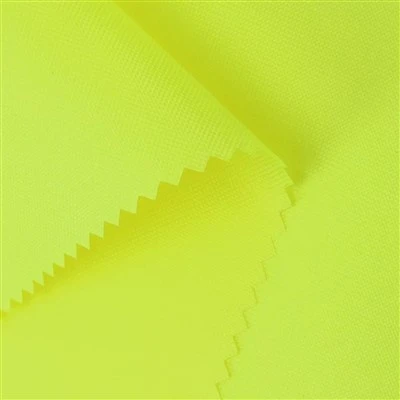
If you’re in the market for high-quality car cover fabric that’s easy to clean, or you have questions about your current cover, hit me up to chat. I’m always here to help with tips, answer questions, or talk through what fabric works best for your needs. No pushy sales stuff, just real advice from someone who’s been in this game for a long time.
Oxford Cloth Reference:
- Automotive Textile Association. (2022). Care and Maintenance of Vehicle Exterior Cover Fabrics. Annual Technical Report.
- Smith, L. (2021). Sustainable Cleaning Methods for Synthetic and Blended Cover Fabrics. Journal of Textile Care Science, 18(2), 45-52.
- Outdoor Industry Association. (2020). Best Practices for Washing UV-Protective Fabrics. Consumer Care Guide.
Wujiang Jiashunxin Spray Weaving Co., Ltd.
As one of the most professional car cover fabric manufacturers and suppliers in China, we’re featured by quality products and good service. We warmly welcome you to wholesale bulk customized car cover fabric from our factory. If you have any enquiry about free sample, please feel free to email us.
Address: Xingli New Village, Lili Town, Wujiang District, Suzhou City, Jiangsu Province
E-mail: xuzhiqiang20260525@163.com
WebSite: https://www.shunbangfabric.com/
