When I started my pet care supply business three years ago, I assumed the biggest challenge would be sourcing durable beds or durable food bowls for our customers. Early on, I heard from a regular client that her golden retriever, Max, kept developing mild skin irritations no matter how often she bathed him. It wasn’t until she mentioned his favorite spot on the living room rug that we connected the dots: Max’s living area—his bed, the corner he napped in, and the food station—wasn’t just a “set it and forget it” space. That conversation changed how our team approached pet care guidance, because a clean living area isn’t just about tidiness—it’s about keeping your pet healthy, preventing odors from seeping into your home, and making the space enjoyable for both of you. If you’re a new pet parent or someone who’s struggled to keep up with your animal’s space, these science-backed, real-world tips from our pet care supply team will help you find a routine that works for you and your pet. Pet Care

First, let’s talk about the foundation: choosing pet-safe, easy-to-maintain materials for their living space. A lot of pet parents pick soft, cotton beds because they’re cozy, but cotton traps dander, urine, and food crumbs deep in the fibers—even if you vacuum it weekly. Studies from the American Society for the Prevention of Cruelty to Animals (ASPCA) show that synthetic, water-resistant fabrics (like microfiber or nylon blend) are 30% easier to sanitize than cotton, because you can wipe them down with pet-safe cleaners instead of trying to launder them every other week. Our team tests all the beds we supply in our own homes, so we know that removable, machine-washable covers are non-negotiable. Even if your pet is a cat that spends most of their time on a blanket, a washable cover lets you deep clean it on hot settings to kill bacteria and flea eggs that hide in fabric. We also recommend avoiding loose fabric toys or blankets near food stations—crumbs from treats and kibble can attract mold, which is a hidden health risk for small pets like rabbits or guinea pigs.
Next, a daily routine that’s not overwhelming. You don’t need to spend an hour every day cleaning your pet’s area, but a 10-minute check-in prevents small messes from becoming big problems. Here’s what our team does with our own pets: first, spot-clean any visible mess right away. If your dog had an accident on their bed, use a mix of equal parts white vinegar and water to blot the spot—vinegar neutralizes ammonia, which is why regular cleaners often don’t eliminate that lingering pet smell. For cats, scoop the litter box twice a day, even if the bag says you only need to do it once daily. The Journal of Feline Medicine and Surgery found that litter boxes left unscooped for 24 hours can increase the risk of urinary tract infections in cats, because they avoid using a dirty box and hold in urine for too long. Also, every day, toss any uneaten wet food from their bowl—wet food spoils in just a few hours, and bacteria from old food can grow in the bowl even after you rinse it. Our pet care supply team includes non-porous stainless steel bowls in every new pet parent starter kit, because plastic bowls scratch easily and hold onto bacteria way more than steel.
Deep cleaning is where many pet parents slip up. We recommend deep cleaning your pet’s living area every one to two weeks, depending on their size and activity level. For dogs that spend time outside, this means moving their bed and vacuuming the floor underneath—hair, dirt, and pollen get trapped under furniture, and if you don’t clean that, it will spread back onto their bed when they lie down. For cats, wash their entire litter box (not just refill the litter) with hot, soapy water each deep clean—avoid harsh chemicals like bleach, because the fumes can irritate your cat’s sensitive respiratory system. The Humane Society warns that bleach residue on litter boxes can cause stomach upset if your cat licks their paws after using the box. We also suggest rotating your pet’s toys every week. If your dog has a favorite plush toy, leave it out for three days, then swap it with a different one—this keeps toys from collecting bacteria, and it gives your pet mental stimulation too. Our team keeps a stock of durable, washable toys for this exact reason, because cheap plush toys fall apart quickly and can’t be sanitized properly.
Another often-overlooked part is air circulation and pest control. A stuffy, closed-off pet area is a breeding ground for mold, mildew, and dust mites. If your pet’s bed is in a corner of a room that rarely gets fresh air, open a window for 15 minutes every day to let air circulate. For outdoor enclosures, like dog runs or catio spaces, make sure there’s shade and that debris (like fallen leaves or uneaten grass) is removed daily to prevent ticks and fleas. The Centers for Disease Control and Prevention (CDC) notes that flea infestations in pet areas can spread to your entire home, and some fleas carry tapeworms, which can infect both pets and humans. We partner with pest control experts who specialize in pet-safe solutions, so our guidance includes things like cedar chips for outdoor enclosures—cedar is a natural flea repellent that’s safe for pets, unlike chemical sprays that can be toxic if ingested.
If you have multiple pets, their living areas need extra attention. Hierarchies and territorial behaviors can lead to more messes—for example, a submissive cat might avoid their litter box if a dominant cat is always nearby. Our team has seen this firsthand when a client with two cats noticed one of hers started having accidents on the rug. We adjusted her setup: she added a second litter box on the opposite side of the house, away from the first one, and within a week the accidents stopped. For food and water stations, space them at least three feet apart so pets don’t crowd each other, and clean each bowl individually instead of washing them together. A 2022 study from the University of California, Davis, found that multi-pet households have 2x more bacteria in shared pet spaces, so separating cleaning routines reduces that risk by 40%.
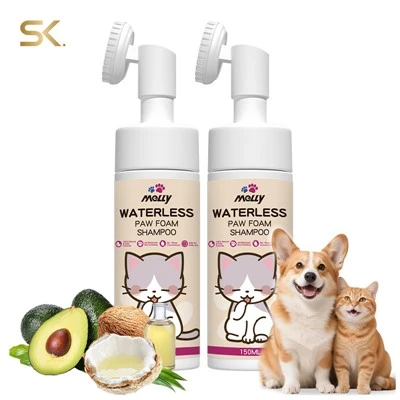
Wait, I know what some of you are thinking: “I work 12-hour days, how am I supposed to fit all this in?” That’s why our team created customizable pet care plans for every lifestyle. You don’t have to stick to a one-size-fits-all schedule—if your pet is low-energy (like a senior cat), you can stretch deep cleans to every two weeks, or use disposable bed covers that you swap out weekly. For active dogs that roll in dirt daily, a quick wipe-down with a pet-safe wipe before they go to their bed cuts down on mess before it even starts. We also offer delivery for replacement bed covers and bowls, so you don’t have to run to the store when you run out. At the end of the day, the goal isn’t a spotless area—it’s a healthy, comfortable space that both you and your pet enjoy. If you’re struggling to find a routine that fits your schedule, our team is here to help you tailor a plan, from choosing the right materials to adjusting your cleaning schedule. We work with pet owners, shelters, and business owners to make pet care accessible, and we’d love to collaborate with you on supplies, custom products, or guidance that fits your needs. Don’t hesitate to reach out to our team to start a conversation about how we can support your pet’s living area health.
Lens & Screen Wipes References
American Society for the Prevention of Cruelty to Animals. (2023). Pet-Safe Home Environments: Choosing Materials for Pet Spaces.
Journal of Feline Medicine and Surgery. (2022). Litter Box Maintenance and Feline Urinary Tract Health Outcomes.
Humane Society of the United States. (2021). Chemical Safety for Pet Owners: Avoiding Toxic Cleaners in Pet Spaces.
Centers for Disease Control and Prevention. (2023). Flea Infestations in Domestic Pet Environments: Prevention and Control.
University of California, Davis, School of Veterinary Medicine. (2022). Multi-Pet Household Bacteria Load and Cleaning Protocols.
Wenzhou Shengkai Technology Industry Co., Ltd.
As one of the most experienced pet care manufacturers and suppliers in China, we have world-leading production equipment and strong manufacturing capabilities. Please rest assured to wholesale bulk pet care made in China here from our factory. Customized orders are welcome.
Address: No. 2, Hongye Road, Jinxiang Town, Wenzhou, Zhejiang, China
E-mail: summer@zj-sky.com
WebSite: https://www.mellyclean.com/
