Hey everyone, it’s Jake from the Steel Grid team here—y’know, the folks you hit up when you need strong, reliable steel grids for construction, fencing, industrial flooring, all that stuff. Lately, I’ve been getting so many questions from contractors, project managers, even DIYers who say their steel grids don’t last as long as they should. Like, they install ’em for a parking garage or a warehouse mezzanine, and a year later, there’s rust eating through the bars, and they’re scrambling to fix or replace ’em. That’s a huge pain point, right? Rust doesn’t just make grids look bad—it weakens ’em, which is a safety hazard, and it kills your budget with unexpected repair costs. Today, I wanna break down exactly how we up the anti-corrosion game on our steel grids, and share some tips that’ll work no matter who you buy from. No fancy jargon, just real stuff we use every day at our shop. Steel Grid
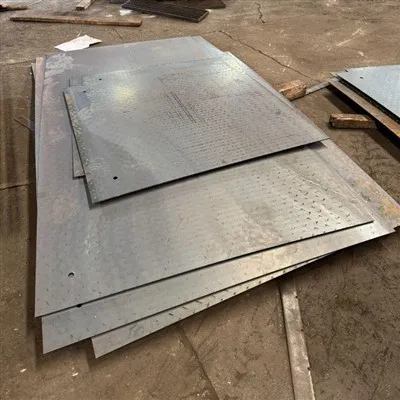
First off, let’s get one thing straight: steel is awesome—strong, affordable, versatile—but it’s basically a rust magnet if you don’t treat it right. Rust happens when iron in steel reacts with oxygen and moisture, right? That electrochemical reaction eats away at the metal over time. So our whole approach to anti-corrosion is stopping that reaction before it starts, or slowing it way, way down. Let’s start with the most basic step we do at the mill: material selection. Wait, not all steel is created equal, guys. A lot of suppliers skip this and just grab whatever’s cheapest, but that’s a mistake. We use high-grade carbon steel with a slightly higher chromium content than standard steel—like, not stainless steel, that’s way too pricey for most grid uses, but a low-alloy steel that’s more resistant to corrosion right out the gate. It costs us a little more upfront, but our grids last 2-3 years longer on average, so you save money in the long run.
Next, surface prep. This is non-negotiable, no exceptions. I’ve seen other suppliers slap a coat of paint on a grid that still has mill scale—those little flaky iron oxide layers left over from when steel is rolled. Mill scale is porous, so paint or any coating you put on top of it will peel off in a matter of months, leaving the steel exposed. We spend time blast-cleaning every single grid we make—using a mix of steel grit and sandblasting to get 100% of that mill scale, dirt, and oil off. The surface has to be super clean, like, squeaky clean, so the next step sticks. We check every batch under a microscope basically? No, but we do random tests to make sure the surface profile is right—little tiny rough grooves that give the coating something to grip onto. That’s how we avoid that annoying early peeling.
Now, the coatings. This is where a lot of people cut corners, but we test every option to find what actually works. The two main coatings we use are hot-dip galvanizing and powder coating, and both have their place. Let’s start with hot-dip galvanizing—this is the OG anti-corrosion method, and for good reason. We dip the entire steel grid (after it’s cleaned, obviously) into a bath of molten zinc at like 860°F. The zinc bonds chemically to the steel, not just sits on top. That means it doesn’t peel, even in harsh environments. And zinc does double duty: first, it acts as a barrier between the steel and moisture/oxygen, and if the coating ever gets scratched (say, by a tool during installation), the zinc acts as a “sacrificial anode”—it corrodes instead of the steel. That’s genius, right? We use this for grids that go outdoors, near water, or in industrial areas with lots of chemicals or salt. Like, if you’re building a dock or a parking garage in a snowy city where they put tons of road salt on the roads, hot-dip galvanizing is the way to go. It’s tough, it lasts.
But powder coating is our go-to for when you want both corrosion resistance and a clean, custom look. Powder coating is a dry powder we apply electrostatically to the grid, then bake it in an oven so it melts and forms a hard, durable film. It’s way thicker than regular wet paint—like 2-4 millimeters thick, compared to paint’s 0.5 millimeters. That extra thickness is a game-changer for blocking moisture. And we use powder coatings that have additives to make them even more corrosion-resistant, like UV stabilizers so they don’t fade or break down in sunlight. We offer all kinds of colors too, which is nice for projects where aesthetics matter—like a public park walkway or a retail store’s outdoor seating area. The only thing to remember with powder coating is that it’s only as good as the prep work, which brings me back to that point earlier—if you skip cleaning, the powder will flake off, same as paint.
Wait, there’s one more trick we use for extra protection, especially for grids that’ll be in super harsh conditions, like near chemical plants or saltwater: a dual-coat system. Hot-dip galvanize first, then top it with a layer of powder coating. That gives you both the sacrificial protection of zinc and the tough barrier of powder. I know it’s a little more expensive, but for projects where downtime is a big deal—like a mezzanine in a factory that can’t be closed down for repairs—this is worth every penny. We’ve had clients use these grids in coastal areas for 10+ years and they still look almost new.
Now, it’s not just what we do at the factory—installation and maintenance matter too, y’know? No matter how good your grid is, if you install it wrong, it’ll rust faster. First, don’t let the installers drag the grid across the ground or let metal tools scratch the coated surface. Those scratches might seem small, but they’re perfect entry points for moisture. If you do get a scratch, touch it up with a zinc-rich paint—we give all our clients a small touch-up kit with every order, so they don’t have to run to the hardware store last minute. Also, make sure the grid is properly drained. If it’s on a flat surface where water pools, that stagnant water will sit on the grid and eat away at the coating way faster than flowing water. Simple stuff, but people skip it all the time.
Maintenance is easy too—you don’t have to do much, just a quick check once a year. Wipe off any debris, like leaves or dirt, that might trap moisture, and rinse it with water if it’s in a dusty or salty area. If you spot any small spots of rust (which is rare if we did our job right), just sand them lightly and touch up with that zinc paint. I’ve had clients go 5 years without any maintenance and their grids are still holding strong—no big rust issues, no replacements needed.
Wait, I should address a common myth I hear all the time: “Stainless steel is more corrosion-resistant, so I should buy that instead of coated steel.” Yeah, stainless steel is tough, but it’s way more expensive, like 3-4 times the cost of our galvanized or powder-coated grids. And unless you’re working with super corrosive stuff, like chemical processing plants or saltwater aquariums, the extra cost isn’t worth it. Our treated steel grids are almost as resistant to rust as stainless steel for most applications, at a fraction of the price. We had a client who switched from stainless to our hot-dip galvanized grids for a warehouse mezzanine, and he saved $12,000 on the project, and they’ve held up just as well over 7 years. That’s a big win.
Another thing we do that sets us apart from other suppliers: we test every batch of grids for corrosion resistance before they leave our shop. We put them in a salt spray chamber—basically a machine that sprays salt water on the grid 24/7 to simulate years of exposure to salt air. If a grid shows rust after 1,000 hours in the chamber, we don’t ship it. Most competitors only test a few grids per batch, but we test every single production run. That’s how we make sure what we send you is actually gonna last.
I know a lot of you reading this might be looking to order grids for a project, or maybe you’re dealing with a grid that’s already rusted. Whatever your situation, the key takeaway here is that anti-corrosion isn’t just one step—it’s a whole process, from picking the right steel, prepping the surface, choosing the right coating, to even how you install and maintain the grid. Skipping any of those steps will lead to rust, period.
If you’re tired of grids that rust after a couple years, give our team a shout. We don’t do generic, one-size-fits-all grids—we can help you pick the right material and coating for your specific project, whether it’s a small backyard fence, a big industrial mezzanine, or something in between. We’ll even walk you through installation tips to keep your grids lasting as long as possible. No pushy sales talk, just honest advice from the folks who make these grids every day.

At the end of the day, a steel grid that’s anti-corrosive isn’t just a purchase—it’s an investment. It keeps your project safe, saves you money on repairs and replacements, and doesn’t leave you scrambling to fix problems a year after the install. We’ve been perfecting our anti-corrosion process for over a decade, and we’ve helped hundreds of clients across different industries keep their grids in top shape. So if you’re ready to get grids that actually last, hit us up for a chat about your needs. We’re here to help.
Steel Grating References:
- ASM International. (2015). Corrosion: Basics, Testing, and Protection. ASM Handbook, Volume 13A.
- NACE International. (2018). Hot-Dip Galvanizing for Corrosion Protection: A Guide for Designers, Specifiers, and End Users.
- Powder Coating Manufacturing Association. (2020). Performance Specifications for Powder Coatings on Steel Components.
- International Organization for Standardization. (2019). ISO 1461: Hot-Dip Galvanized Coatings on Fabricated Steel Articles—Specifications and Test Methods.
Anping Chengshuai Slope Protection Engineering Manufacturer
As one of the most reliable steel grid manufacturers and suppliers in China, we have world-leading production equipment and strong manufacturing capabilities. Please rest assured to buy cheap steel grid for sale here from our factory. For price consultation, contact us.
Address: 200 meters east of Wanghulin Village, Anping County, Hengshui City, Hebei Province, China.
E-mail: elfwangwang@gmail.com
WebSite: https://www.chengshuaislopeprotection.com/
