Hey everyone, it’s Jake from the oil filling machine team – you know, the guy who gets 10pm emails about filling line breakdowns and random questions like, “Can your machine even handle our dusty shop floor?” Today I’m addressing one of the most common questions we get from small oil producers to mid-sized refineries: Can an oil filling machine actually work in a dusty environment? Spoiler alert: It’s not a hard no – but it’s not a blind “yes” either. Let’s break this down like we’re chatting over a cup of coffee after a long day at work. Oil Filling Machine
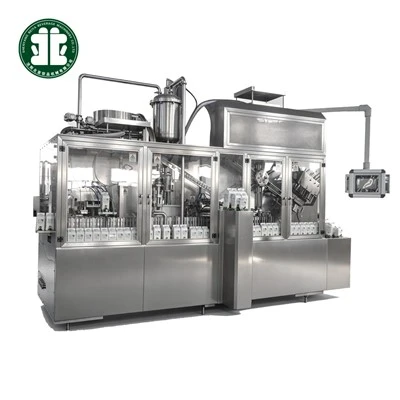
First off, let’s get real about what a “dusty environment” even means for oil filling. If you’re running a small blending shop in a rural area, that’s probably a mix of grain dust (if you’re filling agricultural oil like sunflower or canola), sawdust, and just general workshop grime. If you’re out in a desert region, it’s fine sand that gets everywhere – vents, control panels, even the gaps around the filling nozzles. For bigger facilities making industrial lubricants or motor oil, you might have metal shavings from nearby machining or tiny carbon particles from exhaust fumes that drift into the filling area. The worst part? A lot of people assume oil is thick enough to repel dust, but nope – dust can contaminate the oil stream, gunk up moving parts, and throw off your filling accuracy.
So why would someone even consider using a standard oil filling machine in a dusty spot? We’ve had a few clients skip the extra dust-proof upgrades to save cash, or they inherited old equipment that didn’t have those features. Wait, we’ve all been there, right? Trying to stretch a budget for new packaging or raw materials. But let’s be clear: standard machines (the ones you can order off a basic catalog) aren’t built for dust. Their controls are usually open, their nozzle seals are basic rubber that wears fast when dust scratches it, and their filter systems are designed for oil particulates, not outside grime. We once had a client in Texas run a basic machine on a desert job site for three months – they ended up with 20% of fillings being underweight, and a valve that seized up so bad they had to replace a $1,200 part before their big order. That’s the kind of headache we don’t want folks to deal with.
Now, the good stuff: Modern, properly configured oil filling machines can absolutely work in dusty environments – you just have to set them up right. Let’s walk through the key upgrades we actually use (not the fluff that sales teams throw around to make a quick buck) that make this happen.
First, enclosed control panels. A lot of cheap machines have their PLCs, sensors, and wiring out in the open, which is like leaving your phone on a construction site – dust will get in and short something out. The machines we sell have IP-rated enclosures, specifically IP54 or higher for dusty spaces. IP54 means it’s dust-tight enough to prevent harmful deposits from getting in, and it can handle low-pressure water sprays (which is super helpful if you need to clean the machine on the floor). We even add small filtered vents to those enclosures so they don’t overheat – no one wants a machine shutting down mid-pour because it got too hot.
Second, nozzle and pump upgrades. Basic filling nozzles have a simple spring-loaded seal that opens and closes when the bottle is in place. In dust, that seal gets scratched, dust gets stuck in the gap, and suddenly you’re leaking oil or filling with a tiny bit of dust mixed in. We replace those with self-sealing nozzles that have silicone gaskets coated in a thin Teflon layer – it’s smooth, so dust doesn’t stick, and it lasts 3x longer than regular rubber. For the pumps, if you’re using a gravity feed or basic centrifugal pump, dust can get into the impeller and make it work harder, leading to uneven fills. We use gear pumps with fully sealed housings – they prevent dust from getting into the pump mechanism, and they’re way more accurate for filling thin or thick oils (like cooking oil vs. heavy gear oil).
Third, on-machine dust filtration systems. This is a game-changer for environments with really high dust levels. We add a 5-micron pre-filter at the point where the machine pulls in air for ventilation, plus a secondary HEPA filter that traps any tiny particles that make it past the pre-filter. We had a client making olive oil in a region with tons of tree pollen (which is basically fine dust, right?) – they installed our optional filtration, and their oil contamination rates dropped from 12% to less than 1% in a month. Also, we tell clients to do a quick daily wipe-down of the nozzle and the top of the machine – it takes 2 minutes, and it prevents dust from building up where it can fall into the oil stream.
Wait, but what about cases where dust is extra intense? Like, if you’re operating near a mining site or something where dust is so thick you can barely see the machine? In that case, we recommend a fully enclosed filling booth. It’s a small, stainless steel enclosure that fits around the filling area, with a negative pressure fan that pulls any dust that gets in right back out through the filtration system. We added that for a client in a mining town filling hydraulic oil for heavy equipment, and they haven’t had a single contamination issue in two years. No joke, they text us every now and then just to say “the machine’s still running smooth.”
Now, let’s talk about the stuff that people get wrong about dusty environments. A lot of folks think “if I just cover the machine with a sheet when I’m not using it, that’s enough.” Um, no. First, if you leave a sheet on it, dust gets trapped under it, and when you yank it off, all that dust blows right into the machine. Second, if you’re running the machine 12 hours a day, a sheet doesn’t do anything to protect the parts that are active. Another mistake: using cheap replacement parts. We’ve seen clients buy $10 rubber nozzles from a local hardware store instead of the Teflon-coated ones we recommend – those last a week in dust, vs. 3 months for the good ones. It might seem cheaper upfront, but you end up spending more on replacements and downtime.
Also, let’s not forget about maintenance – this is non-negotiable for dusty setups. We give all our clients a free maintenance guide, and it’s way simpler than you think. Every week, check the air filter on the control panel and blow out any dust (we include a small air hose with the machine, perfect for this). Every month, take the nozzle apart and clean the seal – if you see scratches, replace the gasket. Every 6 months, check the pump housing for dust buildup. It takes 15 minutes total, and it keeps the machine running for years. We had a client in Florida who kept up with maintenance on a dusty job, and his machine is still going strong after 5 years – same machine, no major repairs.
Wait, but is there a time when a dusty environment is just too much for even a good machine? Let’s be honest here. If you’re filling in an area where dust is mixed with chemicals – like if you’re near a chemical plant where dust has corrosive properties – then even the best machine will have issues unless you add extra corrosion protection. Or if you’re running a filling line that’s outdoors, exposed to wind-blown sand all day, then a fully enclosed machine is a must, not an option. But for most standard dusty environments (rural workshops, agricultural blending, construction sites), a properly configured oil filling machine works just as well as it would in a clean, climate-controlled warehouse.
Now, I know a lot of you are probably sitting here thinking, “Great, but how do I know what upgrades I need for my specific shop?” That’s where we come in. We don’t do one-size-fits-all here – we ask questions: How much dust do you have? What type of oil are you filling? How many bottles do you fill an hour? Do you have space for a small booth? Once we know that, we can tweak the machine to fit your needs, no extra fluff, no pushy sales talk.
Look, we’ve been in this game for over a decade, and we’ve seen every type of dusty environment you can imagine. We’ve fixed machines that seized up because of grain dust, upgraded nozzles that were worn out by desert sand, and set up filtration systems that cut contamination rates in half. We’re not just selling a machine – we’re solving problems so you can get your product out on time, every time.

If you’re currently dealing with a dusty shop floor and worried your filling machine isn’t up to the task, hit us up. We’ll walk you through what you need, answer all your random questions, and even send over a quick video of a similar machine running in a dusty environment – no boring brochures, just real footage. Don’t let dust derail your production or cost you extra cash on repairs. Let’s make your filling line work for you, even when the shop floor isn’t spotless.
Syrup Filling Machine References:
- International Electrotechnical Commission. (2019). IEC 60529: Degrees of protection provided by enclosures (IP Code).
- American Society of Mechanical Engineers. (2021). Hygienic Design Guidelines for Fluid Handling Equipment in Food and Beverage Processing.
- Journal of Manufacturing Processes. (2020). Effects of Environmental Contaminants on Filling Machine Performance in Small-Scale Production Facilities.
- Occupational Safety and Health Administration. (2022). Dust Control Guidelines for Industrial Workspaces: Machinery Maintenance Best Practices.
Shenyang Beiya Beverage Machinery Co., Ltd.
With abundant experience, we are one of the most professional oil filling machine manufacturers and suppliers in China. If you’re going to buy customized oil filling machine made in China, welcome to get quotation from our factory. For price consultation, contact us.
Address: No. 2-1, Tongling Street, Yuhong District, Shenyang City, Liaoning Province, China
E-mail: market@sybeiya.com
WebSite: https://www.chinafilling.com/
