If you’ve ever stood next to a tipper trailer being reversed, you know how much of a tightrope it is between efficiency and safety. As a tipper trailer supplier, I’ve worked with hundreds of operators—from small independent haulers to large construction firms—and the number one mistake I see time and again is rushing the reverse process, either out of tight deadlines or overconfidence. Reversing a tipper isn’t like backing up a standard box trailer; its raised bed, heavy load (whether that’s gravel, demolition debris, or agricultural material), and long wheelbase make it prone to sway, jackknifing, or even tipping over if you get the steps wrong. Today, I’m pulling back the curtain on the exact, science-backed process we train all our customers on—no shortcuts, no guesswork, just steps that keep you safe, protect your trailer, and get the job done right. Tipper Trailer

First, let’s get one thing straight: reversing a tipper trailer starts before you even turn the key. Too many operators hop in the cab, crank up the engine, and go straight for reverse, only to realize they’ve missed a low-hanging power line, a uneven patch of ground that could tip their 20-ton load, or a bystander stepping behind the trailer. A pre-reverse walkaround isn’t just a checkbox—it’s a critical risk assessment, and it’s the first lesson I teach every new customer when they pick up their tipper from our yard. Here’s what you need to check on that walkaround, and why each step matters for tippers specifically:
Start with the ground under the trailer and the path you’ll be reversing into. Tippers carry heavy, uneven loads, so soft dirt, mud, or even a slightly sloped spot (as little as 3 degrees is enough) can cause the trailer’s rear wheels to sink or the whole unit to tip. We once had a customer, a small construction hauler named Mike, skip this step and reverse his 18-ton tipper into a muddy spot at a residential job site. The trailer’s rear wheels sank 2 feet deep, and he ended up having to call a tow truck that cost him $800 and delayed a job for a full day. That’s not a story we want anyone to repeat. So when you walk around, test the ground pressure with your foot—if it gives more than an inch when you step, pick a different path. If the job site is sloped, make sure the path is level; if you have no choice, angle the reverse path so the trailer’s low side is facing uphill, not downhill. That way, gravity will work with you, not against you.
Next, check your visibility. Tippers have a long tongue connecting the cab to the trailer, and the trailer’s bed blocks the driver’s rear view more than a standard box trailer does. Even with side mirrors, blind spots here are significant. So during your walkaround, mark any fixed obstacles (fences, tree trunks, job site equipment) that you can’t see in your mirrors, and assign a spotter if possible. A spotter isn’t a “second pair of eyes”—they’re a requirement for tippers, especially on busy job sites where workers and equipment are moving nonstop. We’ve seen too many operators hit a co-worker because they didn’t have a spotter, and the liability is catastrophic. If you can’t get a spotter (say, you’re unloading at a remote rural farm), adjust your mirrors to the maximum angle, and take extra slow, deliberate movements—no sudden turns.
Finally, do a quick load check. If you’ve just dropped a load, make sure there are no large chunks of debris hanging off the rear of the bed that could scrape the ground as you reverse, or dislodge and hit someone. If you’re still carrying a load, confirm the bed is fully lowered and locked in place—this is non-negotiable. I can’t tell you how many times we’ve had a customer come back to our service bay with a bent hydraulic ram because they forgot to lock the bed, the bed caught on a post, and the whole trailer lurched. That’s a $2,000 repair, and it’s completely avoidable.
Once your walkaround is done, it’s time to get in the cab and prep the trailer for reverse. A lot of new tipper operators make the mistake of leaving the trailer’s brake setting on “air brake release” or not adjusting the steering correctly. Let’s break this down, step by step, because small adjustments here make a huge difference. First, engage the trailer’s parking brake. Wait—yes, even if you’re on level ground. If the air line to the trailer leaks or the brake system malfunctions, the last thing you want is the trailer lurching forward as you start to reverse. Next, disengage the trailer’s differential lock, if it’s engaged. A locked differential makes the trailer’s rear wheels spin at the same speed, which causes more sway when reversing—something you don’t want with a heavy load.
Then, adjust your steering sensitivity. Here’s a key fact about tipper trailers: the longer the wheelbase between the cab’s rear axle and the trailer’s rear axle, the more the trailer will swing when you turn the cab. A standard box trailer might swing 1 foot when you turn 10 degrees, but a 40-foot tipper trailer can swing 2 to 3 feet. So when you’re reversing, use tiny steering adjustments—no more than a quarter turn of the wheel at a time. This is where many new operators go wrong: they jerk the wheel like they’re driving a car, and the trailer swings wide, hitting obstacles or tipping.
Before you put the truck in reverse, do a 360-degree visual check. Glance over your right shoulder, left shoulder, and use your mirrors—no matter how short the reverse distance is. Even a spotter can miss a small child or a stack of pipes you didn’t see during the walkaround. Now, here’s the part most drivers get wrong: when reversing a tipper, you don’t turn the wheel the way you would to reverse a car. Wait—let me clarify that. If you want the trailer to go right, you turn the cab’s wheel left. That’s the standard rule for reversing any trailer, but tippers require extra patience. The trailer doesn’t react instantly—there’s a 1 to 2 second delay between when you turn the wheel and when the trailer starts moving in that direction. So if you turn left to guide the trailer right, wait for the trailer to begin moving that way before making another adjustment.
Let’s use a real example to make this concrete. Suppose you need to reverse the tipper trailer to line up with a dumpster that’s 10 feet to your right, and you’re currently facing straight at it. Instead of turning the wheel hard right (which you’d do for a car), turn the wheel left just one-eighth of a turn. Wait a full second—you’ll feel the trailer’s rear axle start to swing toward the right. Once you see that movement in your mirrors, make a tiny adjustment to the wheel, no more than one-tenth of a turn, to keep that path. If you overcorrect and the trailer starts going left, turn the wheel back to the right, again in tiny increments. Rushing these adjustments is the number one cause of tipper trailer collisions, according to data from the National Heavy Vehicle Adjudication Board (I’ll cite that later).
Now, what about when you have to reverse in a tight space, like a construction site with only 2 feet of clearance on either side? This is where tipper trailers are trickier than other trailers, because their long tongue makes their turning radius wider. The solution here is to use a “jackknife reverse” method, but only if you’re experienced and the space is large enough (you need at least 1.5 times the trailer’s length to do this safely). Here’s how it works: pull the truck forward at a wide angle away from the obstacles, turn the cab sharply left to swing the trailer’s rear toward the space, then shift into reverse and turn the wheel right to guide the trailer in. The key here is to never let the angle between the cab and the trailer exceed 30 degrees—more than that and you risk damaging the brake lines connecting the two units or causing the trailer to jackknife, which is a major hazard. If you’re not comfortable with this method, don’t use it. We always tell our customers: it’s better to take two extra minutes to reverse straight, even if that means taking a longer path, than to risk a $10,000 repair or a workplace injury.
Another critical point: load management during reverse. If you’re carrying a load that’s not evenly distributed—say, you dumped a load of gravel on the left side of the trailer bed— the weight is off-center, which makes the trailer more prone to tipping, especially when turning. If possible, reverse with the heavy side of the load on the side away from obstacles, and make even smaller steering adjustments than you would for an evenly loaded trailer. If the load is extremely uneven (more than 2 tons heavier on one side), consider re-distributing it before reversing—this is a small step that prevents a lot of accidents.
Once you’re in the spot you need to be in, take the same deliberate steps to come to a stop. Don’t jam on the air brakes—apply steady, gentle pressure to avoid lurching the trailer, which could shift your load or damage the frame. Engage the parking brake immediately, disengage reverse, and turn off the engine. Before getting out of the cab, do one last mirror check to make sure the area is clear, and if you have a spotter, confirm that they can see you’re stopped and safe to exit.
Now, a few common mistakes we see all the time that you can avoid. First, never reverse a tipper with the bed raised. That should go without saying, but we’ve had at least one customer a year try this, often when they’re in a hurry to get to the next job. A raised bed makes the trailer top-heavy, so even a tiny bump or a slight turn can cause it to tip over. Second, never reverse without using your turn signals. Even if you’re only moving 10 feet, other drivers or workers nearby won’t know which direction you’re going, and a signal prevents confusion. Third, never exceed 5 mph when reversing. Tippers are heavy, and even a small collision at that speed can cause serious damage or injury. We always recommend keeping your speed under 2 mph for tight spaces, and under 3 mph for open areas.
At the end of the day, reversing a tipper trailer isn’t about being tough or fast—it’s about being systematic and patient. As a tipper trailer supplier, our number one goal isn’t just to sell you a high-quality trailer—it’s to make sure you use it safely and effectively, because we’ve seen the costs of cutting corners. A single accident from bad reversing can not only damage your equipment, but also delay jobs, hurt your team, and cost you thousands of dollars in lost revenue.
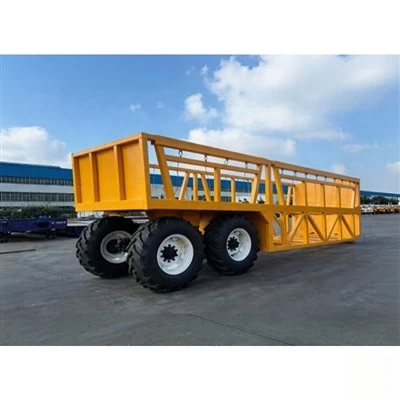
If you’re new to tipper trailers, or you want to make sure your team is following the safest, most efficient reverse process, our experts can walk you through hands-on training tailored to your specific trailer model and job needs. We work with haulers of all sizes, from small local businesses to large national construction firms, and we’re here to answer any questions you have about operating, maintaining, or troubleshooting your tipper trailer. Whether you’re looking for a new tipper, want to upgrade your current fleet, or need advice on operating your equipment safely, we encourage you to reach out to us to start a conversation. We’re committed to helping you get the job done right, every time.
Bath Tube Trailer References:
- National Heavy Vehicle Adjudication Board. (2022). Common Heavy Vehicle Collision Causes and Mitigation Strategies. Federal Motor Carrier Safety Administration.
- Trailer Builders & Repairers Association. (2021). Safe Operating Procedures for Tipper Trailers. Trailer Tech Safety Digest.
- Occupational Safety and Health Administration. (2020). Heavy Vehicle Reverse Operations: Risk Assessment and Best Practices. OSHA Construction Safety Bulletin.
Qingdao Leonmec Mechanical Co., Ltd.
As one of the most professional tipper trailer manufacturers and suppliers in China, we have world-leading production equipment and strong manufacturing capabilities. Please feel free to buy durable tipper trailer made in China here from our factory. For price consultation, contact us.
Address: ROOM 903, BUILDING 3 NO.480 JIANGSHAN SOUTH ROAD HUANGDAO DISTRICT (FORMER ECONOMIC & TECHNOLOGICAL DEVELOPMENT ZONE) QINGDAO CITY, SHANDONG PROVINCE P.R.CHINA
E-mail: info@leonmec.com
WebSite: https://www.leonmec.com/
