Hey there, thanks for stopping by! If you work in industries like oil and gas, chemical processing, or water treatment, you’ve probably dealt with valves that leak, jam, or just don’t hold up under heavy pressure. I’m part of a team that’s been supplying inverted lubricated plug valves for years, and I swear this tech solves a ton of headaches a lot of other valve types can’t. Today, let’s break down exactly how these work, why they’re different, and why they might be the fix your operation’s been missing. No boring textbook jargon, promise—we’ll keep this real and practical. Inverted Lubricated Plug Valve
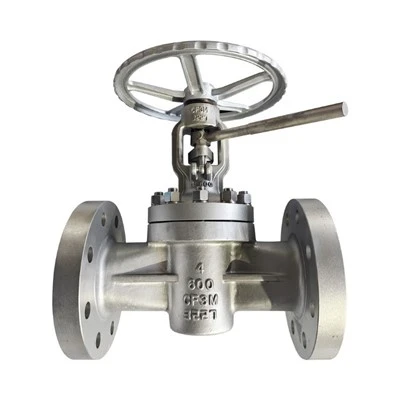
First, let’s start with the basics: most people know what a plug valve is, right? It’s that quarter-turn valve with a tapered or cylindrical plug inside a body, you turn it 90 degrees to open or close. But your standard plug valve can have issues. If there’s no lubrication, the plug just grinds against the body every time you turn it, leading to wear, corrosion, and leaks. If you do use lubrication, sometimes it gets blown away by high-pressure fluids, or it traps debris that makes turning the plug harder over time. That’s where the inverted lubricated design comes in—we flipped the script on how the lubrication works, and it’s a game-changer.
Let’s walk through the anatomy step by step, because you can’t understand the work without knowing the parts. The main pieces you’ll see on an inverted lubricated plug valve are: the valve body (that’s the outer housing, where all the flow happens), the plug itself, lubricant ports, lubricant reservoirs, the stem (what you turn to operate the valve), and maybe a seal retainer or two. The big “inverted” part here? The lubricant isn’t applied externally to the plug—we store it inside the valve body, right where it needs to be, and it moves to the contact points between the plug and the body only when you turn the valve. That’s the opposite of standard lubricated plugs, where you inject grease or oil from a side port every few months. This is a set-it-and-forget-it for way longer.
Now, how does it actually work when you cycle the valve (turn it from open to closed, or vice versa)? Let’s take an example: say the valve’s closed right now. The plug is seated tight against the body, blocking the flow path. The lubricant is held in small, dedicated cavities around the valve body’s inner seat—stuff called lubricant reservoirs, basically little pockets that don’t get mixed with the process fluid. When you start turning the stem (the quarter-turn motion, 90 degrees), the plug starts to pull away just a tiny bit from the seat. That tiny gap? That’s when the lubricant gets pushed out of those reservoirs and between the plug and the body lining. It’s like when you slide a stuck drawer—you put a little wax on the sides to make it glide smoother, but here the wax is always there when you need it, no manual application.
Wait, why is that better than external lubrication? Let’s say you have a valve on a high-pressure gas line, or a line with abrasive slurry. Standard lubricated plugs have ports on the outside that inject lube, but those ports can get clogged with debris, or the lube can wash out when the line’s under pressure. With inverted lube, the lubricant is sealed away from the process fluid until you cycle the valve—so it never gets contaminated, and it doesn’t get blown away. That means less maintenance, less downtime, and way less chance of leakage. Also, the inverted design means the lubricant forms a thin, consistent film between the plug and body, not just a spot application. So every time you turn the valve, that film re-forms, preventing wear. No grinding, no rough turns, no replacing parts every few months.
Let’s get into the cycle in more detail. When you open the valve: you turn the stem 90 degrees, which spins the plug. As the plug rotates, its tapered edges (wait, most inverted plugs are tapered, right? That’s part of the design) move against the lubricant in the reservoirs. The pressure from the plug’s rotation pushes the lube into the micro-gaps between the plug and the body seat. That lube film reduces friction so the plug glides smoothly, not scraping. Once the plug is fully open, it’s aligned with the flow path through the body, and the remaining lube stays in the reservoirs, ready for the next cycle. When you close it, the same thing happens in reverse: the plug rotates back, creates pressure again, pushes out lube to lubricate the contact points, and seats tight against the body. The lube also acts as a secondary seal, right? It fills in any tiny imperfections in the plug or body surface, so there’s less chance of fluid leaking past the seat. That’s a double win—lubrication and sealing, all in one.
Wait, I should mention the seal part, because leaks are the big enemy here. A lot of valves can develop a “dead leg” of fluid, or leak around the stem, but inverted lubricated plug valves reduce that too. Because the lubricant is contained, there’s no need for frequent external injections that can lead to extra seals or ports that might fail. Also, the plug’s design means it’s self-aligning when it seats—so even if there’s a little wear over time, it still closes tight. That’s not true for every valve type; gate valves, for example, can get misaligned, or ball valves can develop a leak path around the ball if it’s worn. Our inverted design avoids that because of how the lube works with the tapered plug.
Let’s talk about real-world use cases, because I know you’re here to see if this applies to your job. If you’re in oil and gas, think of a pipeline that carries crude oil with sand (abrasive!)—standard valves would jam, but inverted lube keeps the plug moving. Or a chemical processing plant with corrosive fluids—since the lube is sealed, it doesn’t react with the chemicals, so the valve parts don’t corrode as fast. Even water treatment, where you have chlorine or other disinfectants that can eat at standard valves—this design holds up way longer. I’ve seen customers go from replacing valves every 6 months to every 2-3 years just by switching to inverted lubricated plugs. The downtime savings alone are huge—you’re not shutting down production to swap valves every couple months, which is a massive cost saver.
Now, let’s clear up a common myth: some people think inverted lubricated plug valves are only for certain sizes or pressures. Nope—we supply them from small 1-inch valves for small process lines up to 48-inch valves for main pipelines. They work with low pressure too, but really shine when you’re dealing with high pressure (like 1500 PSI and up) or high-cycle applications (valves that get opened and closed hundreds of times a day). That’s where the wear from cycling is the worst, and the lube film makes the biggest difference.
Wait, another thing: when the valve is in the fully open or fully closed position, there’s almost no friction between the plug and the body. Only when you’re turning it—so most of the time, the valve is just sitting there, no friction, no wear. That’s way better than a ball valve, where the ball is sitting against the seats 24/7, even when open, leading to gradual wear. Or a gate valve, where the gate is sliding against the seat every time you open or close, which is where a lot of wear happens. With inverted lube, the wear only happens during those quarter-turns, and the lube reduces that to almost nothing.
Let me be honest, though—no valve is perfect. If you run the valve partially open for long periods, that can cause some issues, same as any other plug valve. Because when the plug’s partially open, the lube isn’t distributed as well, and the fluid flow can cause wear on the plug edges. But that’s a general valve thing, not specific to inverted lube. The upside way outweighs that minor caveat, as long as you operate the valve as designed (full open or full closed, not partially open for extended use).
So, why should you care? Let’s wrap this up. Inverted lubricated plug valves fix three big problems most operations deal with: 1) They eliminate the need for frequent external lubrication, saving you time and labor. 2) They reduce wear and tear on the plug and body, so your valves last longer. 3) They provide a better seal, lowering the risk of leaks that can be dangerous (especially in industries with flammable fluids) or costly.

If you’re tired of dealing with jammed valves, frequent replacements, or leaks, this is probably the valve you’ve been looking for. Our team’s been helping industries swap to inverted lubricated plug valves for years, and we’ve seen firsthand how it cuts downtime and costs. If you want to chat about your specific application, what size or pressure you need, or just get more details on how we can help, reach out to our team to connect for a procurement discussion. We’re here to answer questions, no sales pitch pressure—just real info on what works.
Pressure Balanced DBB Plug Valves References:
- Valve Magazine. (2022). Inverted Lubricated Plug Valves: Design and Application for High-Cycle, Abrasive Environments.
- American Water Works Association (AWWA). (2021). Valve Selection Guide for Municipal Water and Wastewater Systems.
- NACE International. (2020). Corrosion Resistance of Inverted Lubricated Plug Valves for Chemical Processing Applications.
- Petroleum Equipment Suppliers Association (PESA). (2023). Valve Technology for Upstream and Midstream Pipeline Operations.
- Fluid Power Journal. (2022). Friction Reduction in Quarter-Turn Valves: The Role of Integrated Lubrication Systems.
Zhejiang Demelong Fluid Technology Co., Ltd.
As one of the most reliable inverted lubricated plug valve manufacturers and suppliers in China, we’re featured by quality products and good service. Please rest assured to buy bulk durable inverted lubricated plug valve from our factory. If you have any enquiry about customized service, please feel free to email us.
Address: No.7936, Sunshine Avenue, Oubei Street, Yongjia County, Wenzhou City
E-mail: dml@zjnsvalve.com
WebSite: https://www.cn-dmlv.com/
