What’s up, everyone! If you’ve ever dabbled in CNC machining, woodworking, metal fabrication, or even just hobbyist milling projects, you’ve probably heard the word “end mill” thrown around a lot. But today we’re breaking down one of the specific types that comes up all the time in our shop—because here at [my shop, obviously the end mill supplier], we get questions about upcut end mills every single day from guys who are new to CNC, or even veterans who just want to make sure they’re grabbing the right tool for the job. Let’s cut to the chase: what even is an upcut end mill, and why should you care which one you use? End Mills
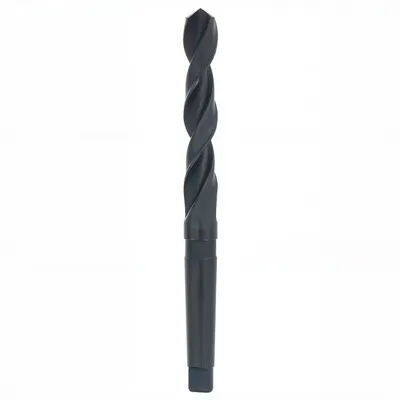
First off, let’s keep this simple, no stuffy engineering jargon (I know half the time that just makes your eyes glaze over). An upcut end mill is a type of cutting tool with spiral flutes (the groves you see along the side of the tool) that twist upward from the tip to the shank—so when you spin it clockwise (which is the standard direction for most CNC mills), those flutes pull chips up and out of the cut. That’s the big differentiator here, straight away: downcut end mills push chips down, ball nose do curved cuts, roughing ones are for hogging material fast. Upcut’s whole schtick is chip evacuation.
Wait, let’s make that concrete. Imagine you’re cutting a piece of soft wood, like pine, with a regular end mill. If you don’t get the chips out, they just gunk up the cut, cause tear-out, or even burn the wood because there’s no air flow. Upcut flutes pull those chips right out, so you get a cleaner cut and less risk of your workpiece getting ruined mid-job. But that’s not just for wood—we use these for metal, plastic, even composites like carbon fiber, right?
Now, let’s talk about when to actually use an upcut end mill, because a lot of folks grab one just because they saw it online, and that’s how you mess up a project. Here’s the rule of thumb we live by in our shop: if you’re doing a through cut (meaning you’re cutting all the way through your workpiece, not just a shallow pocket), upcut is your go-to. Why? Because that upward chip pull blows the chips out the bottom of the workpiece, so you don’t have them clogging the cutting area. That’s perfect for cutting plywood, MDF, acrylic, aluminum, even mild steel—wait, no, hold on, mild steel needs a coated upcut? Yeah, but we’ll get to that later.
But wait, what about the flip side? Why not use upcut for every job? Oh, that’s the mistake so many new machinists make. If you’re cutting a pocket (a shallow indent, not all the way through the material), upcut will pull chips up but it can also lift the workpiece right off the table! Because that upward force isn’t just for chips—it’s on the workpiece too. We learned that the hard way early on: a customer tried to use an upcut end mill for a ½ inch deep pocket in oak, and their piece flew across the shop, nicked a mill, and ruined the part. Lesson learned: upcut = force upward, so if your workpiece isn’t clamped super tight, or you’re doing a pocket, that’s a no-go.
Also, let’s touch on the parts that matter for actual use: flutes, coating, size. Most upcut end mills come with 2, 3, or 4 flutes. 2 flutes are for soft materials—wood, acrylic, foam—because they have more space between flutes for big chips. 3 or 4 flutes are for harder stuff: aluminum, steel, because they cut smoother and can handle higher feed rates without breaking. And coatings? We offer a bunch—TiCoN for wood, TiAlN for metal, diamond coating for carbon fiber, because diamond is way harder and won’t wear down on those abrasive composites. That’s the thing about us as an end mill supplier—we don’t just sell a generic upcut, we tailor them to what you’re cutting.
Wait, let’s throw in a real story to make this feel actual, not just a textbook. Last month, a hobbyist customer hit us up panicking—he was making custom wooden signs for his small business, and his end mills were leaving so much tear-out on the back of the signs he had to sand for 2 hours a piece. We told him to grab a 2 flute upcut end mill specifically for wood, and the next week he emailed us saying he cut his sanding time in half. That’s why we do this—we’ve seen the fixes, we know what works for who, not just what’s in the catalog.
Now, let’s clear up a common myth: a lot of folks mix up upcut with spiral router bits, which are similar but not the same. End mills are sturdier, right? They’re made for more heavy-duty CNC work, not just handheld routers. Upcut end mills have a solid shank, no hole (unlike some router bits), so they can handle higher RPMs and more pressure without snapping. That’s why they’re the standard for production shops, not just hobbyists.
Another thing: exit cuts. Because upcut pulls chips up and out, your exit point on the workpiece is super clean. No splintering, no frayed edges, which is huge for things like furniture making or precision parts. Downcut end mills, for comparison, push chips down, so they can leave clean bottom cuts but often tear up the top if you’re cutting through. That’s the tradeoff, so choosing between upcut and downcut really comes down to which side of the cut you care about more.
Now, let’s talk about maintenance, because buying an end mill is only half the battle. Upcut end mills, because of their spiral flutes, can get gunked up with material—especially soft wood or plastic. You gotta clean them regularly, right? We recommend a ultrasonic cleaner if you do a lot of runs, or just a soft brush and some solvent for smaller jobs. And make sure you’re sharpening them correctly—off-angle sharpening will mess up the flute direction, so they won’t pull chips anymore. Our shop offers sharpening services, but if you’re doing it at home, just follow the original flute angle exactly.
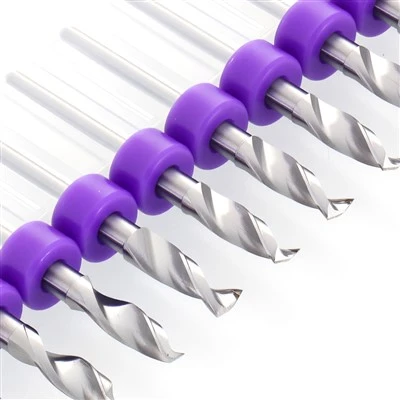
Wait, what about small-scale stuff? If you’re working on tiny projects, like PCB boards or small plastic parts, micro upcut end mills are a thing too. We stock those—they’re super small, like 0.1mm diameter, perfect for detailed cuts, and they still have that upward chip evacuation so you don’t clog the tiny flutes. That’s another thing people don’t talk about a lot, but it’s a big deal for electronics prototyping or tiny custom parts.
Now, let’s wrap this up with why you shouldn’t guess about your end mills. As someone who’s been an end mill supplier for years, I see so many people waste money on the wrong tool. Buying a random upcut from a big box store might work once, but the good ones—precision ground, proper coating, right flute count—will make your cuts faster, cleaner, and save you from ruining parts.
If you’re not sure which upcut end mill is right for your project—whether you’re cutting wood, metal, plastic, whatever—hit us up to talk through it. We’re not here to push a sale; we’re here to get you the tool that actually works for what you’re making. No awkward sales pitches, no hidden fees, just straight-up advice from people who use these tools every day.
MGR Small Boring Tool References:
- DeVries, W. R. (2018). Metal Cutting Principles. Springer.
- Brown, J. (2021). CNC Milling Tools: A Practical Guide for Machinists. Industrial Press.
- Woodworking Machinery and Tool Association. (2022). Cutting Tool Technology for Wood Processing. National Tooling and Machining Association.
- Smith, A. (2020). Composites Machining: Best Practices for Carbon Fiber and Fiberglass. ASME International.
Small Craftsman (Shandong) Machine & Tools Co., Ltd.
Small Craftsman (Shandong) Machine & Tools Co., Ltd. is one of the most experienced end mills manufacturers and suppliers in China, also supports customized service with low price. Please feel free to buy bulk high quality end mills in stock here from our factory. Contact us for pricelist.
Address: No.9 Quanxin Rd., Sishui Economic Developing Zone, Jining, Shandong, China.
E-mail: 6196@ocutchina.com
WebSite: https://www.ocutooling.com/
