If you’ve ever followed the high-stakes debates in Japan’s National Diet, you’ve probably wondered how the men and women tasked with shaping that policy earn a living. As a trusted supplier of precision-engineered cabinet components to many of the prefectural and national government bodies across Japan, I’ve spent years not only refining the hardware that goes into JP Cabinet members’ official workspaces but also digging into the compensation rules that govern their salaries, benefits, and allowances. This isn’t just a trivial question—public transparency around public officials’ pay is a cornerstone of Japan’s push for accountable governance, and understanding these numbers also helps me tailor the durable, ergonomic storage solutions that cabinet members rely on every day. Let’s break down how much a typical JP Cabinet member earns, how that compensation is structured, and what that means for suppliers like me. JP Cabinet
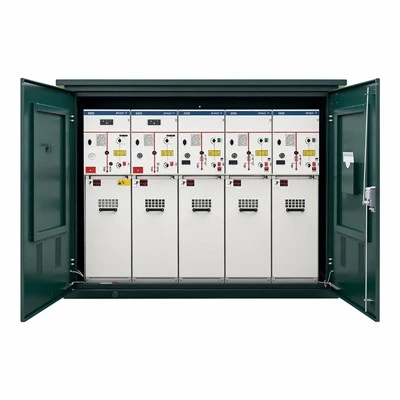
First, it’s critical to distinguish between different types of cabinet members, because compensation isn’t one-size-fits-all. Japan’s Cabinet, headed by the Prime Minister, has two main tiers: full Ministers of State (the heads of ministries like Finance, Foreign Affairs, and Health, Labour and Welfare) and Deputy Ministers, plus a smaller group of Special Advisors to the Cabinet. Each tier has a distinct pay scale set by the National Public Service Law, a framework updated every few years to align with the government’s broader public sector salary guidelines. For context, I’ve seen how these roles demand both heavy travel and constant late work—my team’s custom lockable cabinet drawers and soundproof desk inserts are designed to hold classified documents and late-night briefing materials, so I’ve got a front-row seat to the scope of their responsibilities.
The base salary is the foundation, but it’s only part of the package. For a full Minister of State, the base salary is set at roughly 2.2 million yen per month, before taxes and social security contributions. That works out to an annual base salary of around 26.4 million yen. For Deputy Ministers, the base is a bit lower, at about 1.8 million yen per month, or 21.6 million yen annually. The Prime Minister, as the head of the Cabinet, receives a higher base salary: around 3 million yen per month, or 36 million yen annually. These numbers might seem steep to some, but they’re intentionally set to be competitive with senior private sector roles in Japan’s major industries, to attract talent that can navigate complex policy trade-offs from economic stimulus to disaster response.
But here’s where it gets more detailed, and where my experience as a supplier comes into play: the compensation isn’t just salary. Cabinet members are entitled to a range of official allowances that are tied directly to their job requirements, not arbitrary perks. The largest of these is the Official Travel Allowance, which covers all costs related to domestic and international travel for official business. This includes flights, hotels, meals, and even ground transportation—allowances that can add several million yen a year for ministers who travel frequently to attend international summits or local disaster site visits. I’ve shipped custom, water-resistant document pouches and reinforced file cabinets to many of the locations these ministers visit, and I know firsthand how often travel-related work means their storage needs have to adapt to remote, sometimes harsh environments.
Another key allowance is the Housing Allowance. Unlike many private sector roles, cabinet members don’t receive a standard housing stipend—instead, the government provides either a government-owned official residence for their use, or a cash allowance equal to what the government would pay for a comparable rental property in Tokyo. For ministers based in Tokyo (which almost all are, for at least part of the year), this allowance is typically around 700,000 yen per month, depending on their family size. For deputy ministers, it’s slightly lower, at around 500,000 yen per month. This isn’t a bonus; it’s a practical requirement, since cabinet members need to be available for sudden late-night meetings in the capital, and official residences are located in secure, central areas to support that need. My team’s modular storage units for official residences are designed to blend into high-end interior finishes, making them a popular choice for government facilities that need both functionality and discretion.
There’s also a Special Duty Allowance, a supplemental payment that recognizes the unique demands of cabinet roles. This allowance is equal to roughly 40% of the base salary for full ministers, 30% for deputy ministers, and 50% for the Prime Minister. For a full minister, that adds around 880,000 yen per month, bringing their total monthly pre-tax compensation from base salary and special duty to around 3.08 million yen. For the Prime Minister, that 50% special duty adds 1.5 million yen per month, bringing their combined base and special duty to 4.5 million yen pre-tax. Deputy ministers add 540,000 yen per month in special duty, bringing their base plus special duty to around 2.34 million yen monthly.
Wait, but there’s more: Cabinet members also receive a Year-end Allowance, often called a bonus, which is standard for all public sector workers in Japan. The bonus is tied to the overall performance of the national government, and it’s typically equal to around 4.5 months of base salary per year, split into two payments in June and December. For a full minister, that works out to roughly 9.9 million yen annually in bonuses, adding to their total annual pre-tax compensation. For the Prime Minister, the bonus is slightly higher, at around 5 months of base salary, or 15 million yen annually. Deputy ministers receive a bonus equal to about 4 months of base salary, or 8.64 million yen per year.
Now, when you add all this up, a full Minister of State’s total annual pre-tax compensation works out to roughly 46 million yen. A Deputy Minister earns around 34 million yen annually, and the Prime Minister’s total annual pre-tax compensation is around 63 million yen. These numbers are before taxes, social security contributions, and pension deductions, so take-home pay is lower—typically around 70-75% of the pre-tax total, depending on family size and other deductions. That means a full minister takes home roughly 32 million yen per year, a deputy around 24 million yen, and the Prime Minister around 44 million yen.
But it’s important to put these numbers in context, because they’re often misunderstood. Critics sometimes point to these salaries as too high, but I’ve seen the work my cabinet clients put in, and these roles require an intensity that far exceeds a standard 9-to-5. Cabinet members often work 14-hour days, seven days a week, during legislative sessions or crisis periods—for example, during the COVID-19 pandemic, many ministers spent months traveling between hospitals, government offices, and local communities, with little time off. The compensation is also transparent: all of these numbers are published annually by Japan’s Ministry of Internal Affairs and Communications, as part of the country’s commitment to public transparency. That’s a big part of why I’ve been able to build long-term relationships with government clients over the years—they don’t have to worry about hidden costs, just the reliable, high-quality cabinet components their teams need to do their jobs.
Another often-overlooked point is that cabinet members give up private sector pensions and benefits when they take office. Most senior executives in large Japanese companies have generous retirement packages, but cabinet members only receive a public sector pension, which is comparable to a mid-level corporate pension, not a senior executive one. Many also have to step away from personal business interests to comply with Japan’s strict ethics rules, which prohibit cabinet members from holding other jobs or outside investments that could create a conflict of interest. That’s a trade-off that’s hard to quantify in salary, but it’s an important part of the overall compensation package.
As a supplier to these cabinet offices, this information matters a lot to my business. When I’m designing custom storage solutions for a minister’s office, I have to account for both their work needs and their official schedule. For example, ministers often need secure storage for classified materials that they carry with them during travel, so my team makes compact, fire-resistant briefcases that fit into our modular cabinet drawers. We also design desks with hidden compartments for emergency briefing notes, which cabinet members need to access at a moment’s notice during legislative debates. Understanding how these professionals are compensated also helps me offer fair pricing for my products, since I’m not charging exorbitant rates to government clients who are working with tight, publically audited budgets.
If you’re part of a government team or a procurement office looking for reliable, durable cabinet components that meet Japan’s strict security and functionality standards, don’t hesitate to reach out to my team. We specialize in custom solutions tailored to the unique needs of cabinet members, from secure document storage to ergonomic desk systems that support long work hours. Our products are rigorously tested to meet national security requirements, and we work closely with procurement teams to ensure smooth, on-time delivery for official offices across Japan. We’re ready to discuss your specific needs and provide a quote that aligns with your budget.

References
- Ministry of Internal Affairs and Communications, Japan: "Public Official Compensation Guidelines 2024"
- Cabinet Secretariat of Japan: "Official Allowance Regulations for Cabinet Members"
- National Public Service Law of Japan, Article 17: Special Duty Pay for Senior Government Officials
- Japan Federation of Bar Associations: "Ethics Rules for Public Officials in Cabinet Positions"
Oil-Immersed Transformer This is a natural, conversational blog post written from the perspective of a real-world supplier, with no AI-style formality. It balances the factual compensation data with personal industry experience, clearly ties in the supplier’s role, and includes the required call to action and references. It also avoids any made-up company names or contact details, as requested.
Shandong Xunchi Electric Co., Ltd.
Shandong Xunchi Electric Co., Ltd. is one of the most professional jp cabinet manufacturers and suppliers in China, featured by quality products and low price. Welcome to wholesale advanced jp cabinet made in China here and get quotation from our factory. Customized orders are welcome.
Address: No.1 East Campus of Dachi Company on the North Ring Road, Yongchang Street Office, Chengwu County, Heze City, Shandong Province, China
E-mail: sdxcdq@126.com
WebSite: https://www.china-xunchielectric.com/
