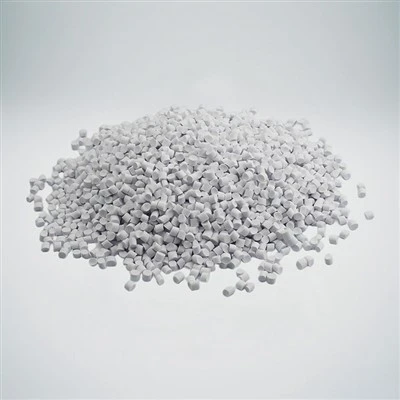
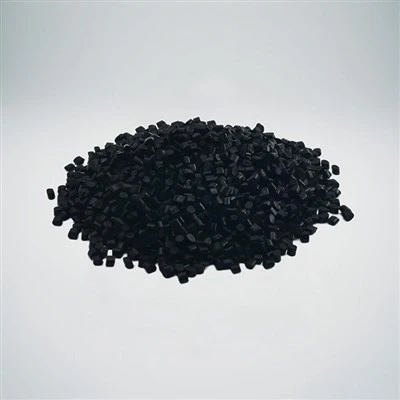
If you’ve ever seen a frayed residential wire running along a basement joist or a commercial electrical cable tucked behind a wall and wondered how it got that way, chances are rodents were behind it. As a supplier of building wire compounds, I get this question all the time from electricians, facility managers, and even homeowners who’ve dealt with costly repairs or unplanned downtime after a cable is chewed through. The short answer is: it depends on the compound, the rodent, and the environment, but there’s a lot more nuance to how building wire compounds hold up against rodent damage—and why not all materials are created equal when it comes to this common, underdiscussed electrical infrastructure issue. Building Wire Compounds
Let me start with a quick anecdote that’s still top of mind. A few years back, I was meeting with a small manufacturing plant manager who’d had three separate unplanned outages in six months. Each time, the problem was the same: a 480V power cable running from the main panel to their conveyor system had been chewed through by field mice and voles nesting in the wall chase. They’d been using a budget-grade polyvinyl chloride (PVC) compound on the cables, and every time they replaced the cable, the same thing happened. The manager was frustrated, and honestly, so were we—because at the time, we hadn’t done a great job explaining the difference between standard PVC and rodent-resistant building compounds. That conversation pushed us to dive deeper into rodent behavior and material science, and it’s shaped how we talk about our products ever since.
First, it’s important to understand why rodents chew wires in the first place. It’s not just about hunger—though in some cases, they’re gnawing for food scraps stuck to insulation or jacketing. More often, it’s a matter of dental health: rodents’ incisors grow continuously, up to half a millimeter per week, and they need to gnaw on hard, durable materials to keep them trimmed down. Soft plastics like standard PVC, polyethylene (PE), or even rubber-based jacketing are perfect for this—they give way to the sharp incisors without damaging the rodent’s teeth, making them a prime target.
But not all building wire compounds are soft. When a compound is formulated to resist rodent damage, manufacturers like us adjust three key properties: hardness, durability, and sometimes, taste or scent. The first step is increasing the Shore hardness of the jacketing material. Standard PVC for building wires typically falls in the 70 to 85 Shore D range, which is flexible enough for installation but soft enough for rodents to chew through. Rodent-resistant compounds, on the other hand, often clock in at 90 Shore D or higher. That extra hardness makes the material much harder to puncture or gnaw through—think of the difference between chewing a pencil eraser and chewing a plastic tool handle, and you’ll get the idea. We add specialized plasticizers and impact modifiers to achieve that hardness without making the compound so brittle that it cracks during installation, a balance that’s critical for field work.
The second key property is resistance to abrasion and tearing, which is linked to more than just hardness. Rodents don’t just apply a single point of pressure—they gnaw in small, repeated motions that fray and weaken material over time. A compound with high tensile strength and elongation at break (how much it can stretch before snapping) holds up better to this repeated gnawing. In our lab, we test our rodent-resistant compounds by simulating gnawing with a rotating steel brush, and we’ve found that compounds with a tensile strength of 25 MPa or higher and elongation at break of 300% or more show 10 times less fraying than standard PVC after 10,000 cycles. That’s not just a number—it translates to fewer gaps for rodents to get through, and less wear over the life of the wire.
The third, and often misunderstood, tactic is taste and scent modification. Some manufacturers add bittering agents or repellents to building wire compounds to make them unappealing to rodents. Common additives include denatonium benzoate, one of the bitterest substances known to humans, and capsaicin, the compound that makes chili peppers spicy. The idea is that a rodent will take one bite, taste the bitter or spicy chemical, and move on. But here’s the catch: these repellents don’t last forever. They can leach out of the compound over time, especially if the wire is exposed to moisture or extreme temperatures, and some rodents actually become desensitized to them. That’s why at our company, we don’t rely solely on taste repellents—we pair them with the hardness and durability we talked about earlier, so even if a rodent is curious, they can’t get through the jacketing easily.
Of course, no compound is 100% rodent-proof, and there are factors that even the best material can’t overcome. For example, if a rodent colony is large and desperate for food or nesting material, they’ll work harder to chew through even a tough jacketing. We worked with a municipal wastewater treatment plant a couple of years ago where Norway rats—some of the largest and most persistent urban rodents—had taken up residence in the underground cable trenches. They tried our rodent-resistant cable, but within six months, a group of rats had chewed through it. When we visited the site, we found that the trenches were littered with food scraps from nearby overflow drains, so the rats had no reason to stop gnawing. In that case, the solution wasn’t just the compound—it was sealing the trenches and removing the food source, in addition to using our rodent-resistant wire. That’s a key point: building wire compounds are a line of defense, not a silver bullet.
Another factor to consider is the environment where the wire is installed. Rodent-resistant compounds work best in enclosed, static environments like wall chases, basements, and underground trenches. In open areas or areas with high foot traffic or extreme weather, other factors like UV resistance, water resistance, and chemical resistance become more important. For example, if you’re installing wire outdoors, you might need a compound that’s resistant to UV rays, which can break down even the toughest jacketing over time. We formulate our rodent-resistant compounds to be versatile, so they can be tailored to different environments—we have variants that meet NEC (National Electrical Code) standards for indoor use, outdoor use, and even use in harsh industrial settings with exposure to oils or chemicals.
I often get asked if rodent-resistant building wire is worth the extra cost. Let’s do the math, because that’s what facility managers and electricians care about. A standard PVC cable might cost $0.50 less per foot than a rodent-resistant cable, but the cost of an unplanned outage can run into thousands of dollars—especially for a manufacturing plant, where downtime means lost production. On top of that, you have labor costs to replace the cable, potential damage to other equipment, and even fines if the outage affects critical systems like fire alarms or life support. In a 2022 study by the Electrical Safety Foundation International (ESFI), rodent damage caused an estimated $1.5 billion in electrical repairs and outages in the U.S. that year alone. For a small business, that can be catastrophic. Investing in a rodent-resistant compound up front isn’t just a cost—it’s a way to avoid much larger costs later.
We’ve also made sure our rodent-resistant compounds meet all relevant industry standards, which is crucial when working on commercial or residential projects that require compliance. Our compounds are UL-listed, RoHS-compliant, and meet NEC requirements for flame resistance, so they’re not only resistant to rodents but also safe, reliable, and code-compliant. A few years ago, we updated our product line to include a new formulation that’s even more rodent-resistant while still meeting the latest environmental regulations—something our customers had been asking for, since many were concerned about the chemicals used in older repellent compounds.
I want to make sure this isn’t just a sales pitch, because I know how important it is to get accurate, practical information about building wire. If you’re a homeowner, the best way to prevent rodent damage is to keep your attic, basement, and walls sealed—block any gaps larger than a quarter inch, keep food stored in airtight containers, and trim tree branches away from your home. If you’re an electrician, recommending rodent-resistant compounds to your commercial clients or homeowners in rodent-prone areas is a smart call. For facility managers, regular inspections of cable runs and timely repairs of any frayed jacketing can catch small problems before they become big ones.
At the end of the day, rodent damage is a preventable issue, but it requires the right combination of materials, installation practices, and pest control. As a building wire compound supplier, our job is to give our customers the tools they need to protect their electrical infrastructure, whether that’s a rodent-resistant compound for tight wall chases or a UV-resistant formulation for outdoor use. We don’t claim to solve all rodent-related problems, but we do know that our compounds have helped hundreds of customers avoid costly repairs and outages over the years.
If you’re dealing with rodent damage, or you’re looking to upgrade your building wire to be more resistant to gnawing, I’d encourage you to reach out to discuss your specific needs. Every project is different—whether you’re a small business with a single conveyor line or a municipality managing thousands of feet of underground cable, we can help you find the right compound and solution to fit your requirements. Don’t wait for an unplanned outage to cause headaches and extra costs; take proactive steps to protect your electrical systems today.
Building Wire Compounds References
Electrical Safety Foundation International. (2022). Rodent-Related Electrical Outages: A National Cost Analysis. ESFI Technical Report.
American Society for Testing and Materials. (2021). Standard Test Method for Gnaw Resistance of Jacketing Materials for Electrical Cables. ASTM D7387-21.
National Electrical Code. (2023). Article 310: Conductors for General Wiring. NFPA 70.
Opta New Materials (Jiangsu) Co., Ltd.
As one of the most professional building wire compounds manufacturers and suppliers in China, we also support customized service. We warmly welcome you to buy bulk durable building wire compounds from our factory. If you have any enquiry about free sample, please feel free to email us.
Address: No.80, Jingang Avenue, Zhenjiang New Area, Zhenjiang City, Jiangsu Province, China.
E-mail: le.yin@optachem.com
WebSite: https://www.optanewmaterials.com/
