If you’ve ever stood next to a central HVAC unit on a hot summer day, watching thick metal pipes snake across the ceiling to connect to vents in every room, you’ve probably encountered a metal air duct—even if you didn’t know it by name. For 15 years, I’ve run an air duct supply business, and I can tell you that metal air ducts aren’t just random pieces of sheet metal; they’re the backbone of every commercial and most large residential ventilation systems. Let me break down what they are, how they work, and why they matter so much for both comfort and efficiency. Air Duct
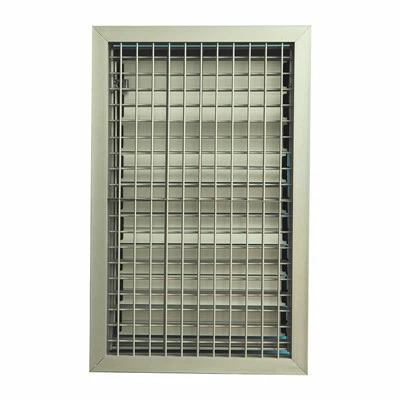
First, let’s get the basics straight: a metal air duct is a hollow, rigid channel made from metal, designed to move conditioned (heated or cooled) air from your HVAC system to every room in a building, and to pull stale, used air back out. Unlike flexible ducts, which are made of plastic or fabric-covered aluminum, metal ducts are usually built from galvanized steel, aluminum, or sometimes stainless steel—each with its own set of pros depending on the job.
Galvanized steel is the workhorse of the industry. It’s steel that’s been coated with a thin layer of zinc to prevent rust, which is why it’s the go-to for most residential and light commercial projects. For most climates, it’s cost-effective, durable, and easy to fabricate into the straight runs, elbows, and connectors you need to route air around walls, ceilings, and floors. Aluminum, on the other hand, is lighter and more corrosion-resistant than steel, so it’s often used in coastal areas where salt air can eat away at steel, or in buildings that handle higher airflow, like warehouses or retail spaces. Stainless steel comes in for specialized jobs—think commercial kitchens where grease and moisture would make regular steel rust, or industrial facilities where chemical fumes are common.
Now, how are these ducts actually made? We don’t just bend a sheet of metal into a tube and call it a day. The process starts with a sheet of metal, usually 24 to 30 gauge (thinner gauge for smaller ducts, thicker for larger ones that carry more air). We cut the sheet to the correct size, then use a sheet metal brake or roller to shape it into a rectangular or circular form. For rectangular ducts, the seams are locked together with a standing seam or a Pittsburgh seam, which is folded and crimped so it’s airtight—no gaps for air to leak out. For circular ducts, the ends are beaded so they can slide into another duct piece or a connector, then sealed with mastic or foil tape to prevent air loss. That airtight seal is non-negotiable; even a small gap can waste 10 to 20 percent of your HVAC energy, which is why we spend so much time getting the connections right.
You might be wondering: why metal, anyway? Why not just use flexible ducts, which are cheaper and easier to install in tight spaces? The answer comes down to efficiency, durability, and indoor air quality. Flexible ducts can sag over time, trapping dust and mold in their folds, which then gets blown into your home’s air. Metal ducts, though, are rigid and smooth on the inside—so air flows through them evenly, with far less resistance, and there’s nowhere for contaminants to get stuck. They also last way longer: a well-maintained metal duct can last 20 to 50 years, compared to 10 to 15 for most flexible ducts. For commercial buildings, that longevity translates to way lower replacement costs over time, which is a big deal for business owners.
Of course, metal ducts aren’t one-size-fits-all. The size and shape of the duct depend on two main things: how much air your HVAC system can move, and the layout of your building. For example, a 2,000 square foot home might need a main duct that’s 16 inches in diameter, branching into smaller 8-inch ducts that feed each bedroom. A 100,000 square foot warehouse would need much larger ducts to move air evenly across its open space. We work closely with HVAC contractors to calculate the right size for every project, because an undersized duct will make your system work too hard, driving up utility bills, and an oversized duct won’t move air efficiently either.
Another common question: do metal ducts need to be insulated? The short answer is, usually yes. If you have a duct that runs through an unconditioned space, like an attic or a crawl space, the metal can transfer heat from the outside air to the air inside the duct—so in the summer, your cool air will warm up before it reaches the room, and in the winter, your warm air will cool down. Insulating the ducts with fiberglass or foam insulation fixes that, and also prevents condensation from forming on the cold metal in humid weather, which can lead to mold and water damage. We supply pre-insulated metal duct pieces too, which saves installers time and ensures the insulation fits tightly without gaps.
I’ve seen a lot of misconceptions about metal ducts over the years. One big one is that they’re noisy. Sure, if you have a poorly installed metal duct with loose connections, the air moving through it can cause rattle. But when they’re properly sealed and supported, metal ducts are actually quieter than flexible ducts—because the rigid material doesn’t vibrate as much as the thin, flexible plastic of a flexible duct. Another myth is that metal ducts are heavy and hard to work with. Modern fabrication tools make it easy to cut and shape metal ducts on-site, and the weight is usually manageable for two installers, especially when we use aluminum for lighter projects.
For our business, supplying metal ducts isn’t just about selling a product—it’s about making sure every project we work on runs smoothly. Last year, we had a client who was building a small retail strip mall. They originally went with flexible ducts because they thought it would be cheaper, but after we showed them the energy savings and longevity of metal ducts, they switched. A year later, they told us their utility bills were 15 percent lower than similar malls in the area, and they haven’t had to replace any duct components yet, whereas their neighbor’s flexible ducts already had a tear that caused airflow issues. That’s the payoff we care about: helping customers make choices that save them money in the long run, and keep their spaces comfortable for the people who use them.
If you’re a homeowner planning a HVAC upgrade, or a contractor working on a commercial build, choosing the right metal duct is a big decision. You need to make sure it’s the right material for your climate and building type, the right size for your system, and installed correctly to avoid leaks and inefficiencies. That’s where we come in: we don’t just sell duct pieces—we offer guidance on material selection, size calculations, and even delivery to job sites so you don’t have to worry about picking up heavy sheets of metal.
At the end of the day, metal air ducts are a quiet hero of modern buildings. They work behind the walls, ceilings, and floors to keep us comfortable, while helping us save energy and improve indoor air quality. If you’re in the market for metal ducts for your next project, or you have questions about which type is right for you, don’t hesitate to reach out to our team to discuss your needs and get a tailored solution.
Air Duct References
- American Society of Heating, Refrigerating and Air-Conditioning Engineers (ASHRAE). HVAC Duct Design and Installation Standards.
- National Air Duct Cleaners Association (NADCA). Metal vs. Flexible Duct Performance Report.
- Steel Construction Institute. Galvanized Steel Ducting: Corrosion Resistance and Longevity Guidelines.
- U.S. Department of Energy. Energy Efficiency Improvements in HVAC Systems: Duct Sealing and Insulation.
Yancheng Lima Air Conditioning Engineering Co., Ltd.
As one of the leading air duct manufacturers and suppliers in China, we warmly welcome you to buy discount air duct for sale here and get quotation from our factory. Quality products and low price are available.
Address: No.99, Xinyuan Road, Yannan High-tech Zone, Yancheng City
E-mail: yclima@yclima.com
WebSite: https://www.limakt.com/
